AI and Cybersecurity: The Double-Edged Sword of Automated Threat Detection
Artificial intelligence is not something that people are trying out in cybersecurity anymore. It is actually the way that digital systems protect themselves now. Institutions, healthcare networks, cloud platforms, and government systems use it to watch data all the time and find things that do not look right.
The New Reality of Digital Defense
Artificial intelligence is not something that people are trying out in cybersecurity anymore. It is actually the way that digital systems protect themselves now. Artificial intelligence is used by institutions and healthcare networks and cloud platforms and government systems to watch a lot of data all the time and find things that do not look right.
Artificial intelligence can even tell when someone is going to attack and it can do something about it by itself in some cases.
This is a change. It is not a small thing that is happening. Cybersecurity is changing from people looking at things and trying to figure out what is going on to machines helping people and sometimes machines are even in charge.
As things keep changing really fast people are starting to worry about something important.
Artificial intelligence is not just making cybersecurity better. Artificial intelligence is actually changing the situation with threats and cybersecurity and it is making things very different.
Artificial intelligence is changing the threat landscape itself. That is something that people need to think about when they are talking about cybersecurity and artificial intelligence.
The Rise of Intelligent Defense Systems
Modern cyber attacks are super fast and really hard to stop. Traditional security systems just can’t keep up because they rely on rules and known threats. This is where AI comes in and makes a difference.
AI systems look at how people behave, not just at known threats. They can spot stuff like strange login attempts, unusual data being sent or weird network traffic that might mean someone is hacking in.
For instance, big banks use AI to watch millions of transactions every day.
If someone suddenly starts making transfers from a place, device or in a way that is not normal for them the system can flag it or block it right away.
The way we defend against cyber attacks is changing from reacting to being one step ahead. This is changing how companies, across industries, protect themselves. AI systems help them predict and prevent cyber attacks. Cyber attacks are a threat and AI is helping to fight them.
AI Stopping Fraud in Banking
You can see an example of this in the way that modern digital banking systems work.
Banks these days use systems that can automatically detect fraud and these systems are powered by intelligence. They look at what the customer’s doing in real time.
For example a customer usually makes transactions in their own town but then they try to make a big transaction to another country.
The way we defend against cyber attacks is changing from reacting to being one step ahead. This is changing how companies, across industries, protect themselves. AI systems help them predict and prevent cyber attacks. Cyber attacks are a threat and AI is helping to fight them.
Real-Time Fraud Detection
- Transaction size and frequency
- If the transaction is happening in a place than where the customer usually is
- What kind of device the customer is using
- What the customer has done in the past
If the system thinks something is not right, it can:
🚨 Tell the security team that something is going on
This happens fast and is very accurate which would be very hard to do if people were doing it by hand.
In a lot of cases these systems stop people from doing bad things before the customer even knows that something is wrong with their digital banking system.
You can see that digital banking systems are really good at stopping fraud and they do it quickly and accurately which is very helpful, for the customer and the bank.
The digital banking system is always looking at what the customer’s doing and it uses artificial intelligence to help keep the customer safe.
The Offensive Side: When Attackers Use AI
The benefit of Artificial Intelligence is not just for people who defend against attacks. Cybercriminals are using Artificial Intelligence more and more to make their attacks bigger and stronger.
One of the obvious examples is Artificial Intelligence making phishing emails. Attackers can now use Artificial Intelligence tools to make personal and believable emails that look like real emails. These emails can talk about what job you do or what you did recently or what is going on in your organization, which makes them very hard to find.
Another big problem is that Artificial Intelligence can automatically find weaknesses in systems. Artificial Intelligence tools can look at systems to find problems. They can find these problems faster than people can.
In attacks where people demand money to give back your data, Artificial Intelligence can even help them choose the time to attack. When your systems are not protected well or when the people who fix problems are not working.
As the people who defend against attacks get smarter the attackers get better at what they do. The people who defend against attacks have to keep getting better because the attackers are using Artificial Intelligence to make their attacks stronger.
This makes a circle. The attackers are using Artificial Intelligence to make their attacks stronger because the people who defend against attacks are getting smarter.
The Offensive Side: When Attackers Use AI
The benefit of Artificial Intelligence is not just for people who defend against attacks. Cybercriminals are using Artificial Intelligence more and more to make their attacks bigger and stronger.
One of the obvious examples is Artificial Intelligence making phishing emails. Attackers can now use Artificial Intelligence tools to make personal and believable emails that look like real emails. These emails can talk about what job you do or what you did recently or what is going on in your organization, which makes them very hard to find.
Another big problem is that Artificial Intelligence can automatically find weaknesses in systems. Artificial Intelligence tools can look at systems to find problems. They can find these problems faster than people can.
In attacks where people demand money to give back your data, Artificial Intelligence can even help them choose the time to attack. When your systems are not protected well or when the people who fix problems are not working.
As the people who defend against attacks get smarter the attackers get better at what they do. The people who defend against attacks have to keep getting better because the attackers are using Artificial Intelligence to make their attacks stronger.
This makes a circle. The attackers are using Artificial Intelligence to make their attacks stronger because the people who defend against attacks are getting smarter.

AI Blind Spots in Security Systems
Attackers have found a way to trick Artificial Intelligence systems into ignoring behavior. They do this by adding suspicious things that seem normal over time. This helps the Artificial Intelligence systems get used to patterns that’re not normal and think they are safe.
Slow, Patient Data Access
For example, someone who should not have access to a lot of information on a computer might slowly start looking at more files over a few weeks. Because this person is doing it a bit at a time the Artificial Intelligence system does not think it is strange. By the time it becomes clear that something is wrong a lot of damage doesn’t already happen.
This shows that Artificial Intelligence has a problem: it is only as good as what it learns. And attackers are figuring out how to use this against Artificial Intelligence systems.
Artificial Intelligence systems are learning from the patterns they see. Attackers are learning how to trick Artificial Intelligence systems by using these patterns.
Data Becomes the New Security Layer
In the past people who worked on cybersecurity mostly focused on protecting computer systems and infrastructure.
Now that we have intelligence the data we use is just as important as the computer systems. The models we use to find threats rely on a lot of data to learn and get better over time. If this data is not complete or is wrong then the whole system does not work well.
This means we have some things to think about. We need to:
- Secure the ways we move data around
- Make sure the data we use is good and accurate
- Stop people from messing with our data, on purpose
- Keep the data we use to train our systems good
The way we think about security is changing. We used to worry about protecting our computer networks. Now we need to protect the information itself.
Governance, Regulation, and Accountability
As artificial intelligence takes on a part in making decisions about cybersecurity we have to think about who is accountable.
If an artificial intelligence system stops a transaction that’s okay, who is to blame? If it does not catch a breach, where does the blame go?
Regulators are starting to think about these things. They want:
- More transparency in the decisions that artificial intelligence makes
- Security models that can be checked
- People to oversee systems
- Standards that automated defense tools have to follow
Organizations that use intelligence for cybersecurity will have to find a balance between trying new things and being accountable for what artificial intelligence does.
Human + Machine Collaboration
Cybersecurity is not going to be taken over by Artificial Intelligence with how fast it is advancing. Artificial Intelligence is changing what cybersecurity professionals do.
These professionals are moving away from watching things all the time to making picture decisions. They have to understand what Artificial Intelligence is telling them to look into problems and make important choices that Artificial Intelligence cannot make on its own.
This way of combining Artificial Intelligence and human cybersecurity professionals is how we will be safe, in the run. Cybersecurity professionals and Artificial Intelligence working together is where we will see strength.

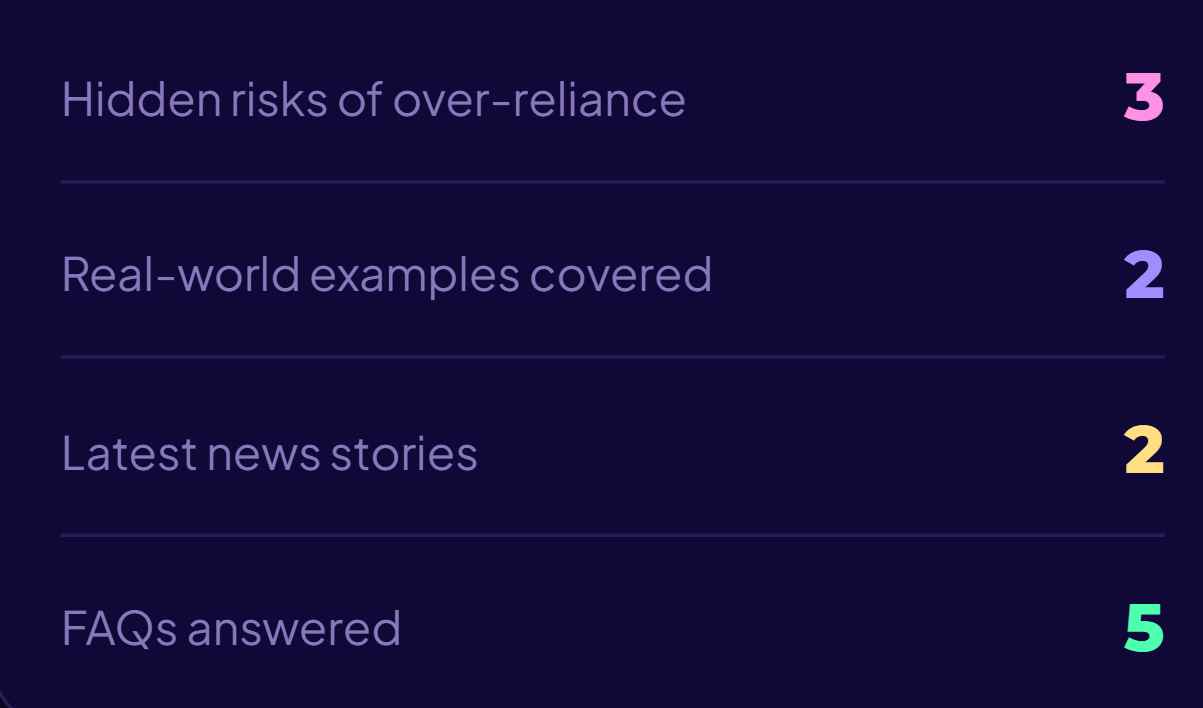
2 Recent Stories on AI and Cybersecurity
Here are two recent news stories that have to do with AI and Cybersecurity.
1. Google is going after people who made a phishing operation that uses AI
2. BT is working with Anthropic on a cybersecurity project that uses AI
Power, Risk, and Responsibility
Artificial intelligence is changing the way we think about cybersecurity.
It does a lot of things that were not possible before like finding problems as they happen, guessing what might happen next and fixing things automatically.
Find the Balance
AI can really help make cybersecurity stronger. If we only rely on it without checking we might end up with new problems. The important thing is to find a balance between using automation and having people review things. This way we can make sure our systems are correct, can adjust to changes and are safe from threats.
Human review
Have people review security decisions.
Regular checks
Regularly check and update AI systems.
Data accuracy
Make sure data is accurate and prevent people from changing it.
Stay alert
Be aware of new threats that use AI.
Combined judgment
Use automation and expert judgment together for better protection.
FAQs
How is artificial intelligence changing the cybersecurity threat landscape?
Artificial intelligence is no longer just an experimental tool; it is now the standard system for digital defense across healthcare networks, cloud platforms, and government agencies. However, this is a double-edged sword. While AI systems analyze massive datasets to predict and prevent cyber attacks, hackers are using the same technology to launch highly sophisticated, AI-driven phishing campaigns and automatically find system vulnerabilities faster than human teams can.
What is the difference between traditional cybersecurity and AI-powered threat detection?
Traditional security systems rely heavily on static, pre-defined rules to block known signatures. In contrast, modern automated threat detection uses machine learning to study human and network behavior. This allows systems to flag real-time anomalies, like unusual login locations, sudden foreign bank transfers, or strange network traffic, helping companies move from merely reacting to cyber threats to actively predicting them.
What are the main risks of relying too much on cybersecurity automation?
While automation speeds up response times, over-reliance on machine learning models introduces hidden risks:
- False Positives: Wrongly marking normal actions as threats, which can disrupt daily business operations.
- False Negatives: Completely missing new, sophisticated types of attacks that the model hasn’t learned yet.
- Adversarial Attacks: Hackers intentionally feeding misleading data to AI systems over time to trick them into thinking suspicious activity is safe and normal.
How are companies using partnerships to fight AI-driven cyber threats?
As offensive AI attacks grow smarter, major organizations are partnering with AI research leaders to upgrade their defensive capabilities. For example, tech giants are actively suing cybercriminals using advanced phishing kits, while telecom companies like BT are partnering with Anthropic’s Project Glasswing to get direct access to advanced models. These partnerships help businesses detect deep software vulnerabilities and upgrade their overall threat detection.
Will artificial intelligence completely replace human cybersecurity professionals?
No, the future of digital defense lies in human and machine collaboration, not full replacement. While machines excel at processing speed, automation, and scalability, they lack human intuition, strategic judgment, and contextual understanding. The strongest security systems will combine the rapid processing power of automated threat detection with the critical decision-making of expert human professionals.
Table of Contents
ToggleKey Stats
Stay Ahead of Threats
Stay ahead with Tech Bunty. Follow us for information on artificial intelligence, cybersecurity and what is coming next in technology.
Latest Post
- All Posts
- AI
- AI Agents
- AI Automation
- Anthropic
- App Development
- Cybersecurity
- LLMs
- Physical Ai
- Web Development