The Zero-Trust Era: Protecting Your Infrastructure from AI-Driven Threats
Security in the 21st Century is not about maintaining a secure perimeter; rather it is about an agile and proactive response to a dynamic, evolving threat landscape powered by artificial intelligence (AI).
Security in an AI-Accelerated World
Security in the 21st Century is not about maintaining a secure perimeter; rather it is about an agile and proactive response to a dynamic, evolving threat landscape powered by artificial intelligence (AI). Organizations today have complex, distributed environments consisting of public, private, hybrid clouds, remote workforces, Software as a Service (SaaS) applications, and increasingly integrated service environments.
At the same time, cyber adversaries have embraced AI as an accelerant in the development and refinement of more advanced attacks that are now faster, more complex, and significantly harder to detect.
In response to this transformation, Zero Trust has become an essential security framework. While an essential, zero trust in its traditional interpretation is not enough in this changing paradigm. As the AI capabilities to counter the threats grow so will the need for systems that secure our digital infrastructures. The issue at hand is not just Zero Trust but transforming Zero Trust.
Rethinking Security: What Zero Trust Really Means
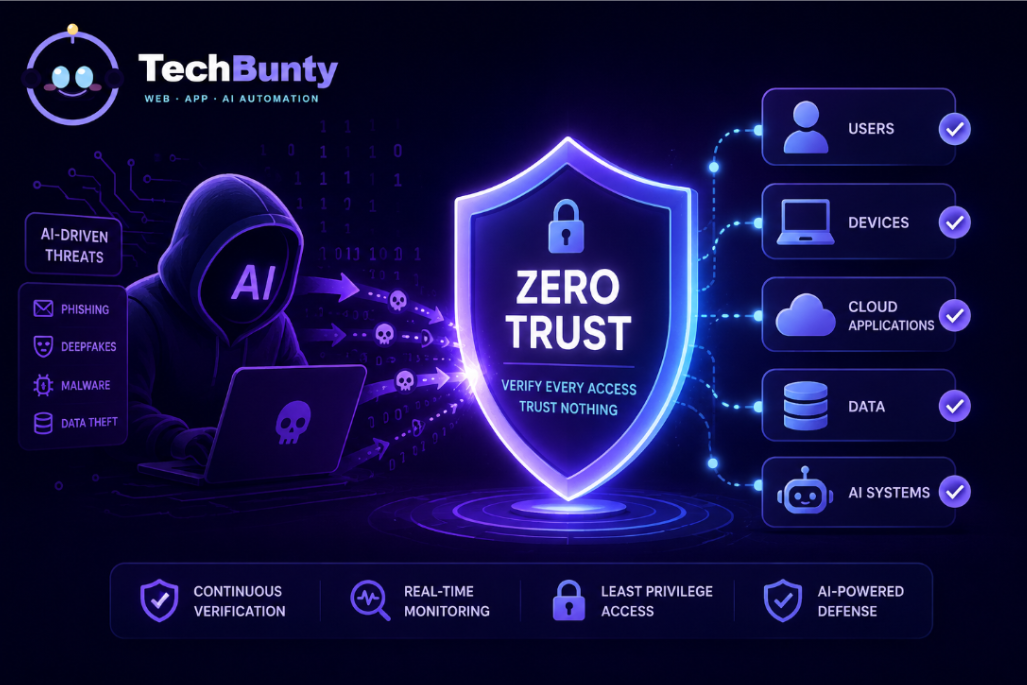
The principles of zero trust are that you cannot automatically trust anything within your network or without. You must verify every access request.
Historically security revolved around network perimeter security, with firewalls being used to defend internal networks. Any user that gained access to the network was then trusted implicitly to move around. This worked when networks were relatively simple, but in the age of decentralised networks this does not work. The modern network infrastructure consists of cloud services, mobile devices, APIs and partner networks and consequently we need to shift security to individual resources rather than focusing on perimeter security.
AI Is Changing the Threat Landscape
Artificial intelligence has had a drastic effect on how cyber attacks are carried out. Technical jobs can now be done in mere minutes using AI tools, which drastically decreases the skill barrier for the attacker.
Smarter Phishing Attacks
AI is capable of producing highly believable, customized phishing messages. By replicating the style and wording, as well as context, of such messages, it can increase the success rate of phishing attempts considerably. An attacker can now conduct an attack on a massive scale within minutes instead of hours.
Deepfakes and Digital Impersonation
AI has now begun to produce deceptive audio and video content. The ability for malicious actors to impersonate an executive, a colleague, or anyone that an individual trusts can greatly heighten their ability to carry out financial fraud or data theft through conversations.
Exploiting AI Systems Themselves
AI systems have the potential not only to be used as instruments, but also as objects that can be attacked. Attackers may modify inputs to the AI systems, thereby causing it to perform specific actions. For instance, well-designed prompt requests can induce an AI to reveal secrets or perform unwanted actions.
Where Traditional Zero Trust Falls Short
Zero Trust may have better security, but was built on the assumption of predominantly human users, and predictable systems. AI introduces new paradigms, where the assumptions are no longer valid.
The way that systems based on AI work is not so straightforward. The systems are able to learn, adapt, and behave autonomously. They cannot be predetermined, and static security measures will fail.
The Rise of Machine Identities
One of the significant changes in the landscape of cybersecurity is the proliferation of non-human identities such as AI bots, automated scripts, APIs and connected devices.
Machine identities outnumber human identities in many organizations, and the former frequently lack controls.
Embedded Credentials
Credentials are difficult to manage and often embedded in code, creating hidden vulnerabilities.
Excessive Permissions
Permissions go beyond what is necessary, expanding the attack surface unnecessarily.
Limited Tracking
Activity and accountability are poorly tracked, making it hard to detect compromise.
Weak Governance
Weak or inconsistent governance leaves machine identities uncontrolled and exploitable.
Left unchecked, these identities can serve as an entry point for an attacker into a system.
Adapting Zero Trust for the AI Age
In order to maintain its efficacy, Zero Trust for AI Age will need to transform into an adaptive and intelligent model considering behavior of both humans and machines.
Treat Every Identity Equally
The standards of verification should be the same for every agent, human or machine. So, for every AI, there must be an identity and activity logs.
Move Toward Continuous Validation
Decisions to allow access cannot be static. They must be a part of a dynamic system that continually monitors user behavior and context in order to ensure that access is still correct in the current circumstances.
Implement Context-Aware Access Control
Permissions must be derived in real-time and may therefore take into account a range of factors such as how a user is acting, the state of a device and current environmental conditions. Thus an access granted may be subsequently restricted or revoked if circumstances change.
Expand Micro-Segmentation
Should not be restricted only to networks, but to AI related parts as well, e.g. Data pipelines, training environments and interfaces for the models to prevent, e.g. A compromise to reach many components of the system.
Strengthen Data Protection
Data has to be secured through all phases, during storage, transmission, or use. Tracking of data's path in AI systems is crucial to prevent leaks and unauthorized access.
Verify Digital Content
As more content is produced by AI, organizations need to protect against falsified communications. Digital signatures and watermarks, for instance, can be implemented to ensure that material is not a forgery.
Managing the Risks of Shadow AI
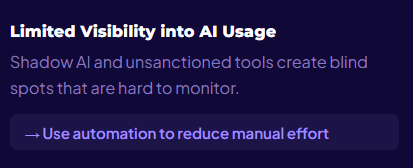
Shadow AI has many risks due to being outside of all official security measures.
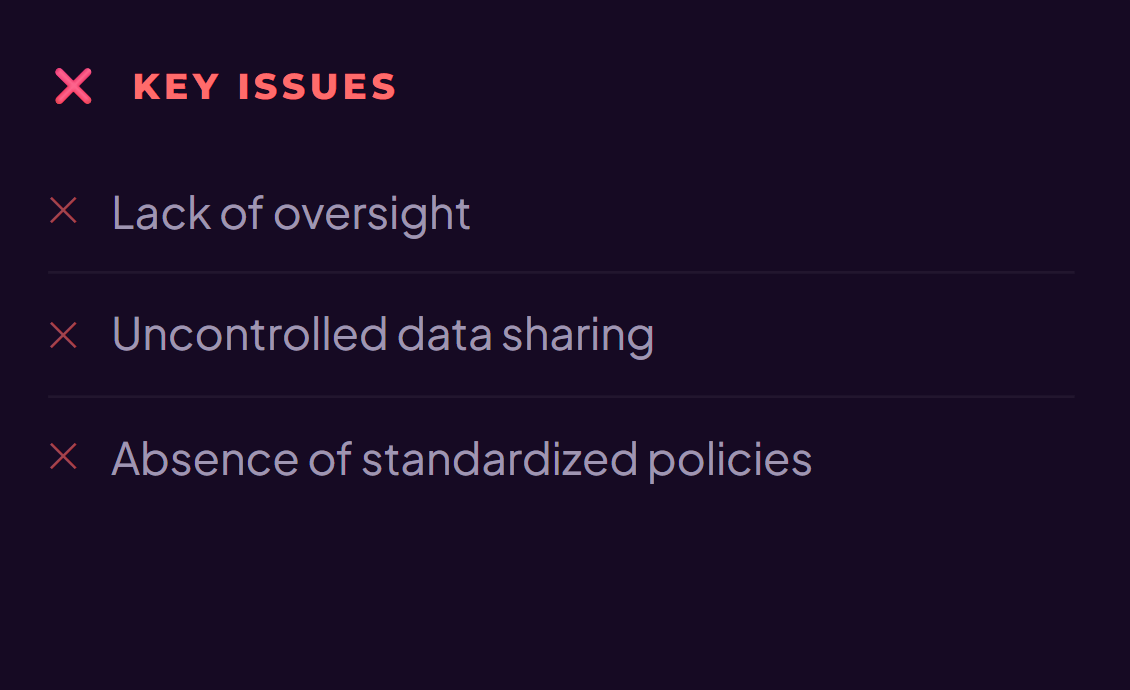

It’s more effective to shape AI adoption rather than attempting to prevent it altogether.
Using AI to Strengthen Security
Despite its threats, AI also presents significant weapons for defense. In an integration with security systems, AI will enhance detection and response capabilities.
Thus, an ever more forward-looking attitude is adopted to IT security.
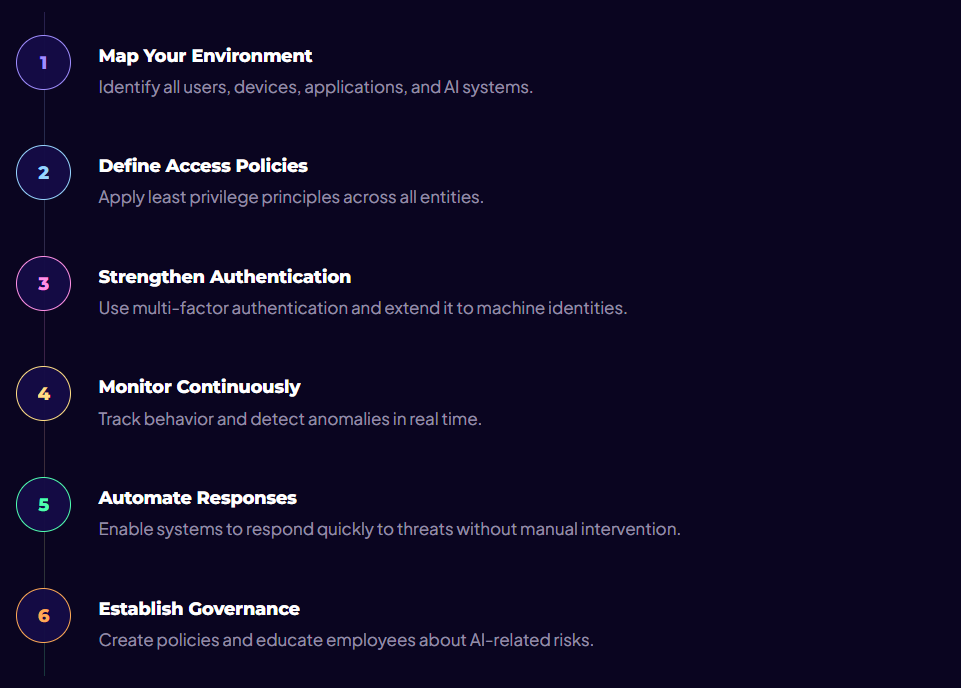
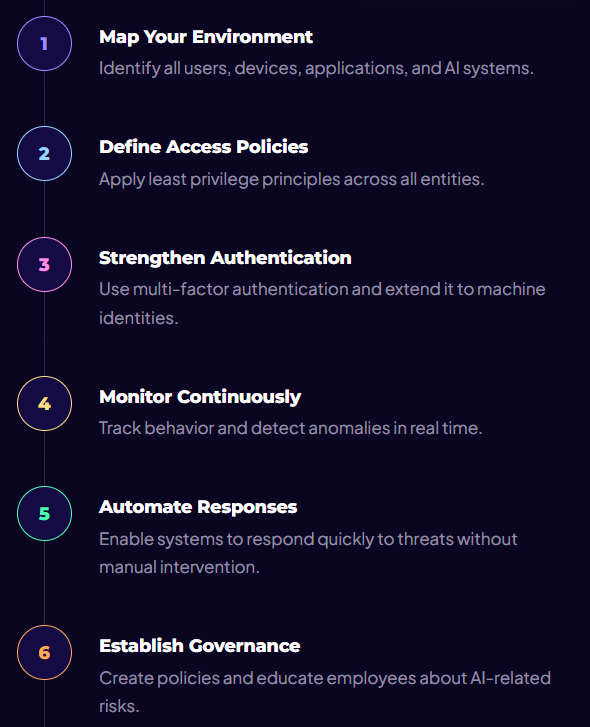
Steps to Build an AI-Ready Zero Trust Framework
Organizations looking to modernize their security should take a structured approach.
Compliance and Regulatory Pressure
Security policies are progressively enforcing robust security frameworks within organizations. Governments and industry sectors are increasingly advocating for Zero Trust as a standard security practice.
Compliance requirements now often include:
These requirements reinforce the need for modern security frameworks.
4 Major Updates on the Zero-Trust Front
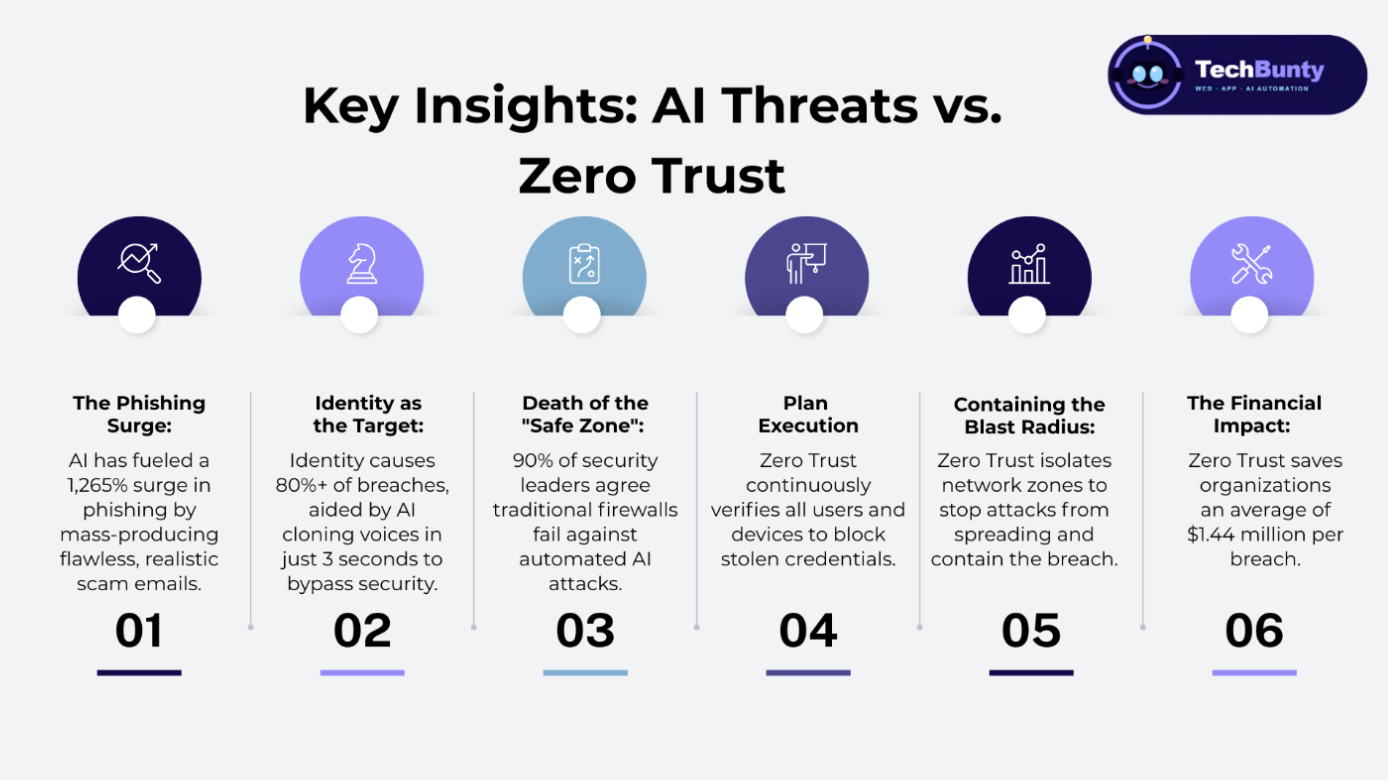
Here are four high-priority, major news updates from May 2026 that directly highlight how artificial intelligence is weaponizing threats, and why organizations are aggressively shifting toward Zero-Trust architectures to protect their infrastructure.
1. Hackers Use AI to Build the First Known Zero-Day 2FA Bypass
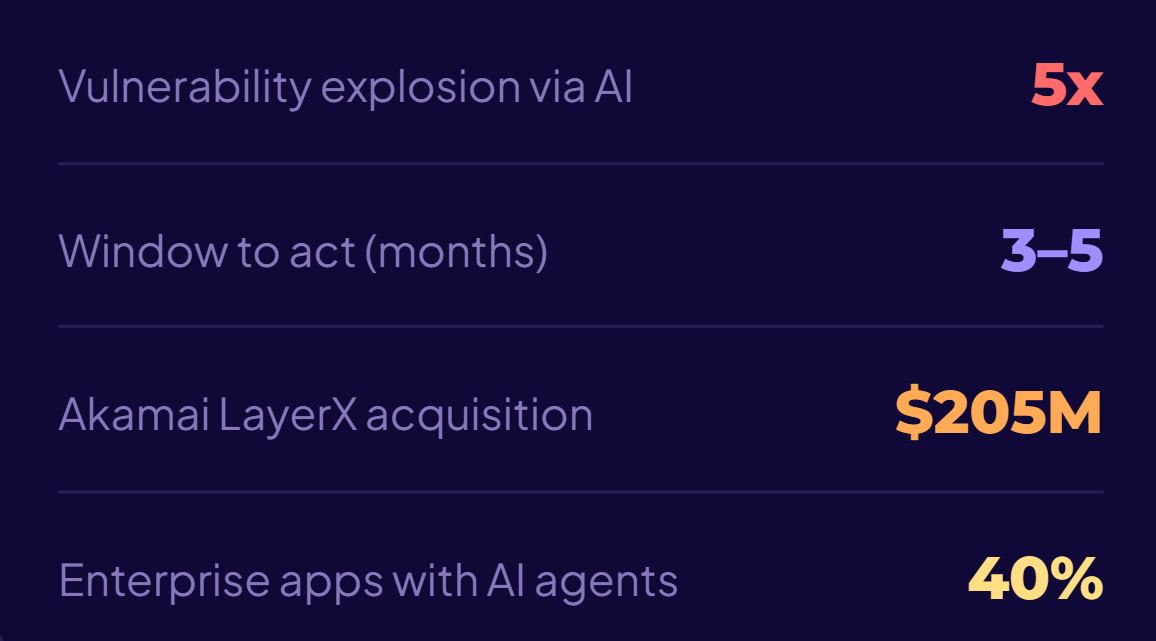
2. Palo Alto Networks Warns of a "3-to-5 Month Window" Before AI Deluge
3. Google Outlines the Shift to "Industrial-Scale" AI Threats and Supply Chain Risks
4. Akamai Acquires LayerX for $205M to Embed Zero-Trust into the Browser
The AI-Generated Threat vs Zero Trust Defense
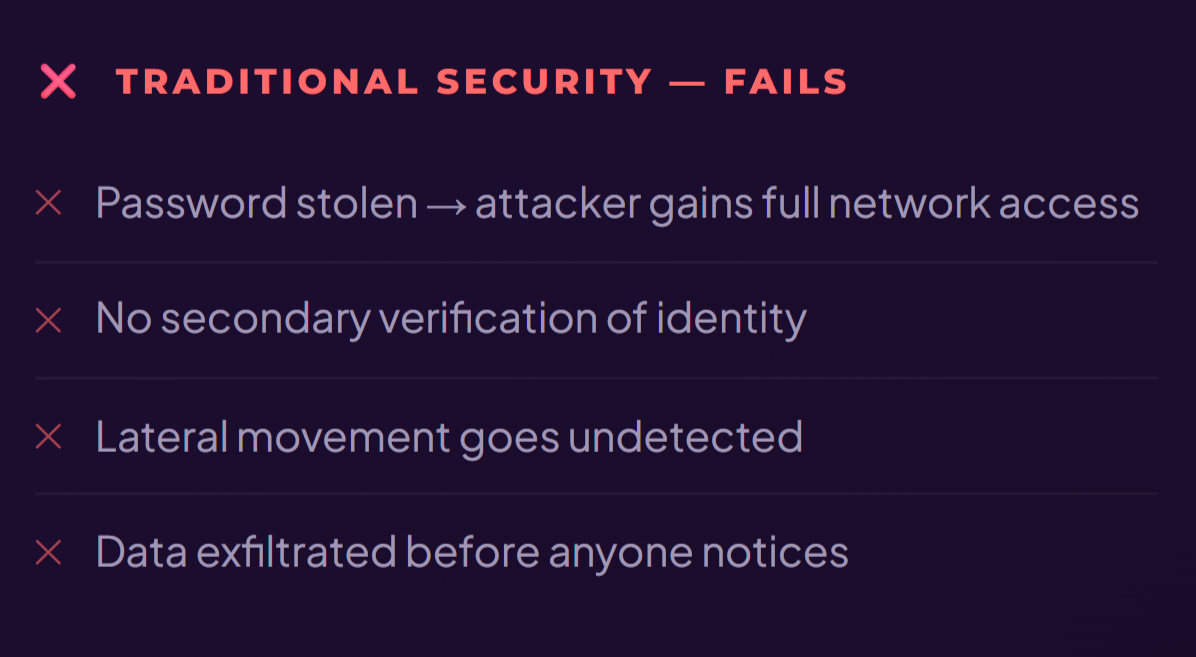
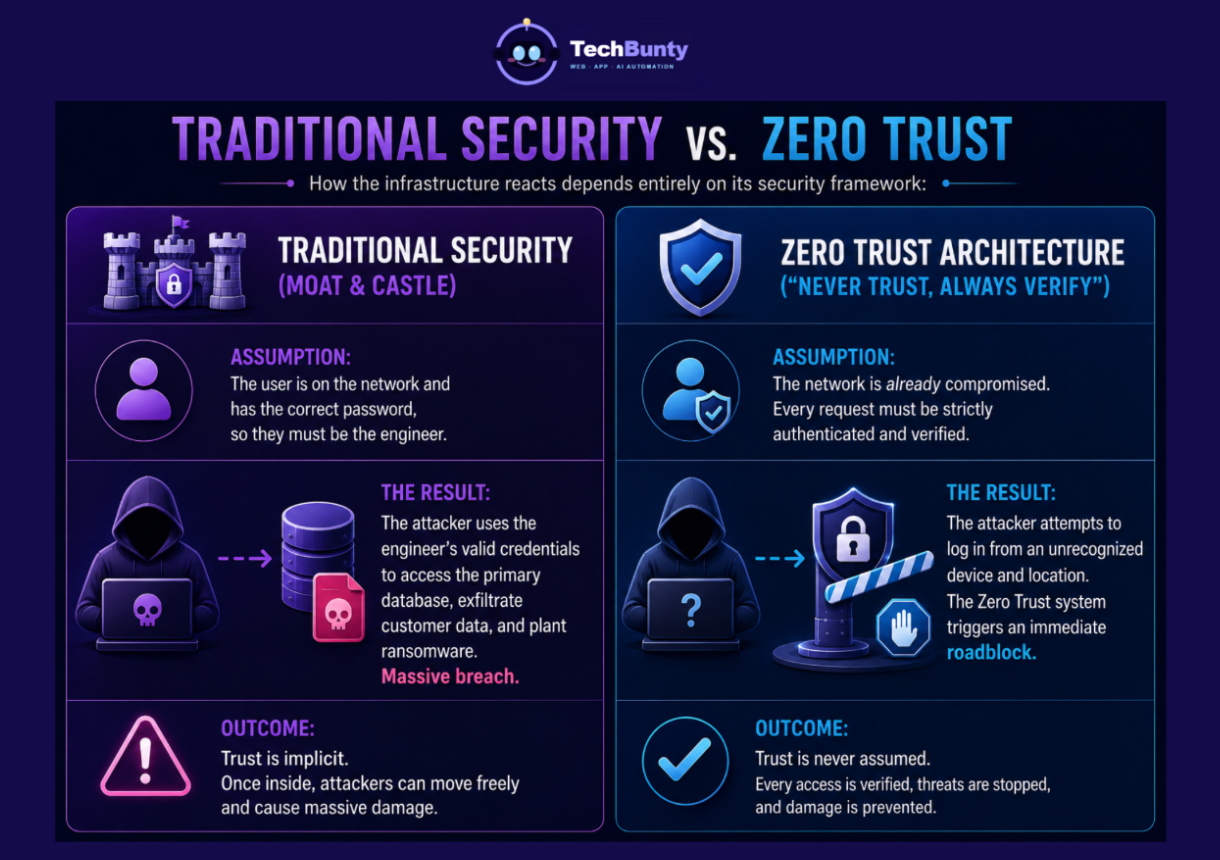
Imagine a mid-sized e-commerce company that relies on a traditional “castle-and-moat” security approach, once an employee logs into the network with their password, they are trusted and have access to internal systems.
Here is how an AI-generated threat shatters that defense, and how Zero Trust saves the day.
The AI-Generated Threat
The Trap
An attacker uses a generative AI tool to scan the public LinkedIn profiles of the company's executive team. The AI clones the Chief Financial Officer's (CFO) voice and writing style using a 30-second clip from a recent public webinar.
The Execution
The AI automatically drafts a highly personalized, flawless phishing email to a DevOps engineer, simulating an urgent infrastructure crisis. Simultaneously, the engineer receives an AI-generated deepfake voice call on their phone, seemingly from the CFO, telling them to approve an emergency access request link sent to their inbox.
The Breach
Under pressure, the engineer clicks the link and inputs their corporate credentials. The attacker now has a valid username and password.

Challenges to Expect
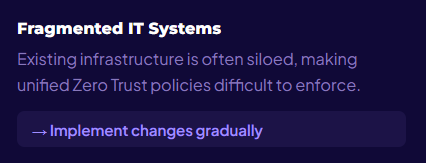
Implementing Zero Trust in an AI-driven environment is complex.


Looking Ahead: The Future of Zero Trust
Zero Trust will continue to evolve alongside technological advancements.
AI-Powered Security Automation
Automated threat response and detection without human intervention.
Identity Systems Without Central Control
Decentralized identity verification resistant to single points of failure.
Real-Time Risk-Based Access Decisions
Access granted or denied based on live context, not static rules.
Security Integrated into Development
Security baked into every layer of the development process from day one.
These trends point toward a future where security is adaptive, intelligent, and deeply integrated into every layer of infrastructure.
Always Verify. Never Trust.
In an AI-driven threat landscape traditional security paradigms don’t meet requirements. Continuously verify, constantly adapt.
Trust Nothing, Secure Everything
AI has profoundly altered the way security is handled, both for defenders and attackers. Attacks are now far more sophisticated, scalable and, to a degree, hidden than previously. Trust in this case is not an option to leverage. A good example to build upon is zero trust, however even this needs to be redefined for the AI landscape. Using a machine based approach to the zero trust concept, verifying on an ongoing basis and using AI for defenses should make a system secure. However, in the end, we do not wish to simply block attacks, but to develop a situation where every single interaction has security. With the rise of AI, this kind of defense is not an option, it is a necessity.
Table of Contents
ToggleKey Stats
Stay Ahead of AI Threats
Adopt Zero Trust with TechBunty and stay ahead of AI-driven cyber threats. Build a safer, smarter infrastructure.
Latest Post
- All Posts
- AI
- AI Agents
- AI Automation
- Anthropic
- App Development
- Cybersecurity
- LLMs
- Physical Ai
- Web Development