Low-Code vs. Custom Web Development: The Honest Guide for Startups
In 2026, startups are no longer asking whether they should build a digital product; they’re asking how fast, how scalable, and how future-proof it should be. Choosing the wrong path can cost not just time and money but also long-term growth potential.
The Build vs. Buy Dilemma Has Evolved
In 2026, startups are no longer asking whether they should build a digital product; they’re asking how fast, how scalable, and how future-proof it should be. The debate between low-code platforms and custom web development has become central to this decision.
With the rise of AI-assisted development, cloud-native architectures, and increasingly demanding user expectations (especially across browsers like Google Chrome), the stakes are higher than ever. Choosing the wrong path can cost not just time and money but also long-term growth potential.
This guide breaks down both approaches, analyzes their strengths and weaknesses, and helps startups make a grounded, strategic decision.
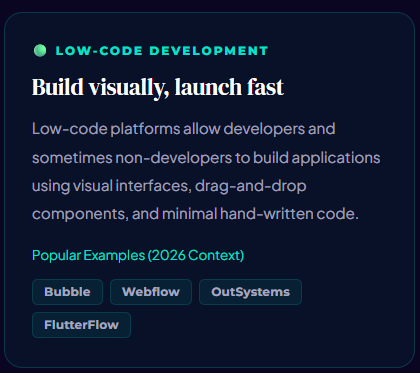
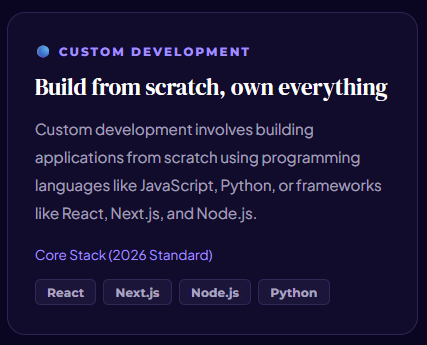
What Is Each Approach?
Core Advantages of Low-Code
Speed to Market
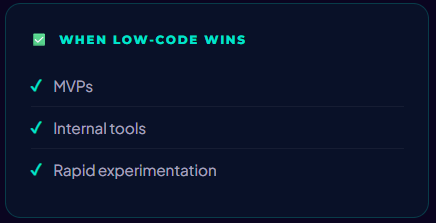
Low-code shines when time is critical. Startups can launch MVPs in weeks instead of months.
Lower Initial Costs
You don't need a large engineering team. A small team or even a solo founder can build functional products.
Accessibility
Non-technical founders can participate directly in building and iterating products.
Built-in Infrastructure
Hosting, security basics, and performance optimizations are often handled by the platform.
Core Advantages of Custom Development
Full Control
You control every aspect of design, logic, performance, and architecture.
Scalability
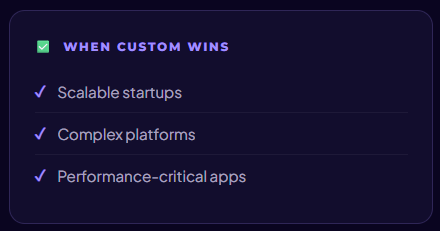
Custom apps can scale far beyond the limits of low-code platforms.
Performance Optimization
You can fine-tune performance for speed, responsiveness, and cross-browser compatibility (including heavy usage environments like Google Chrome).
Flexibility
You're not constrained by platform limitations or pricing tiers.
Low-Code vs. Custom: Deep Comparison

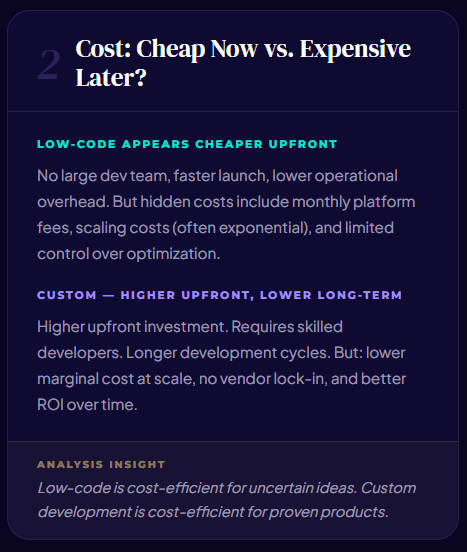
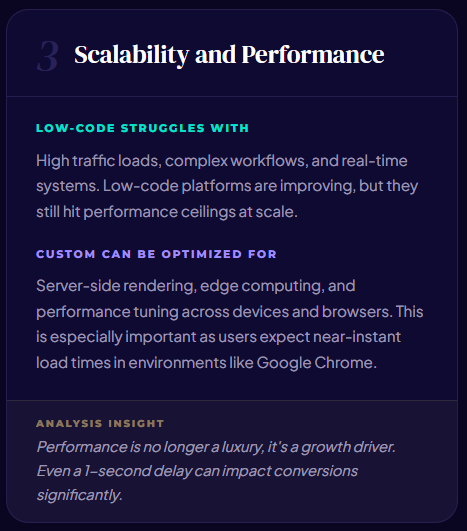

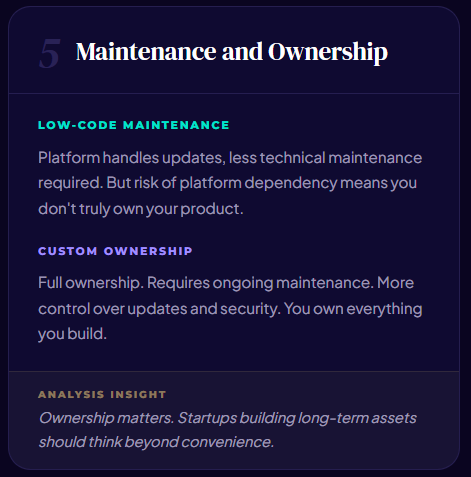
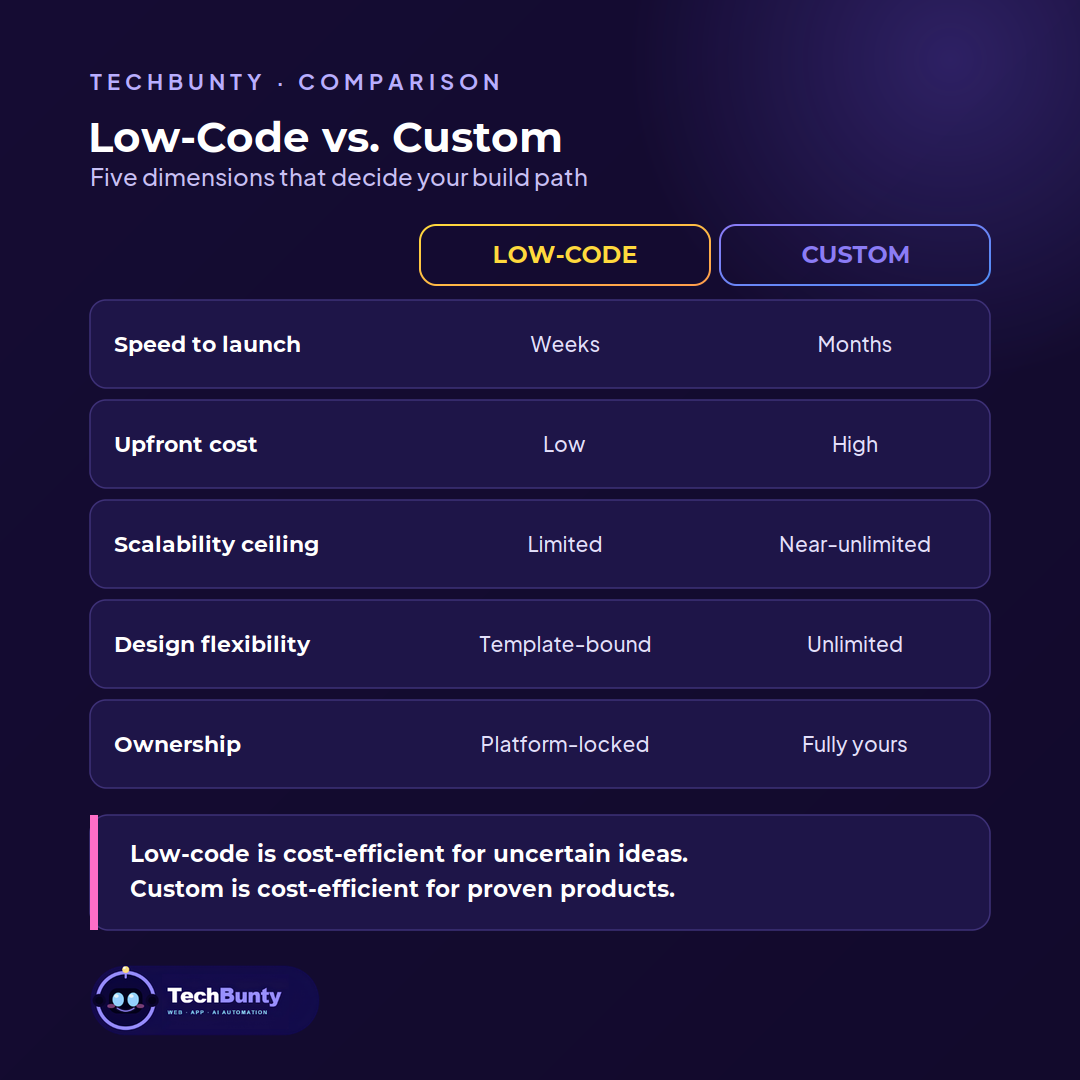
Real-World Startup Scenarios
Early-Stage MVP
Funded Startup Scaling Fast
Hybrid Approach
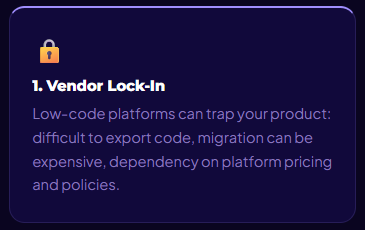
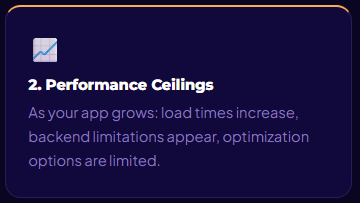
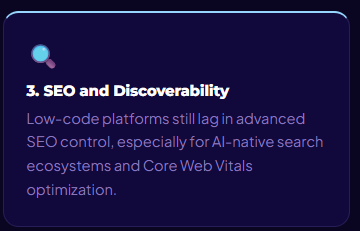
The Hidden Risks Startups Ignore

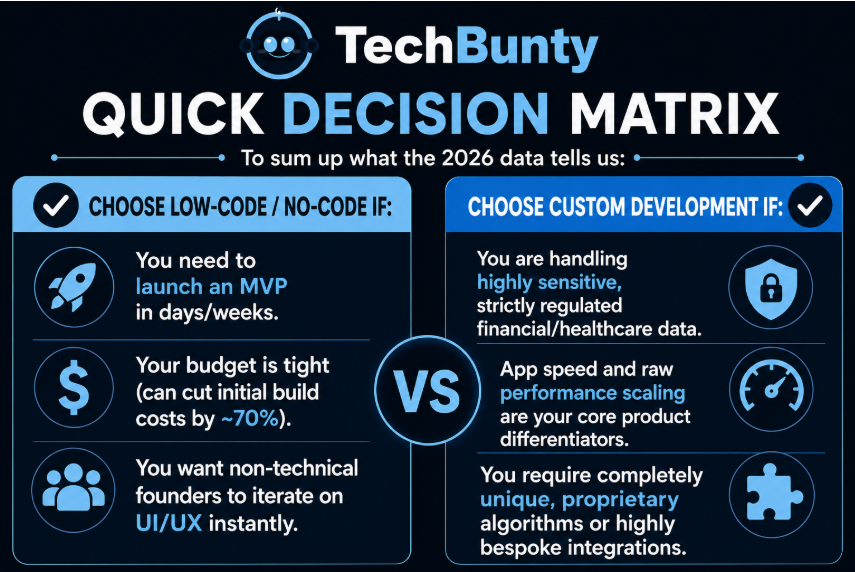
The 2026 Trend: AI Is Changing Both Sides
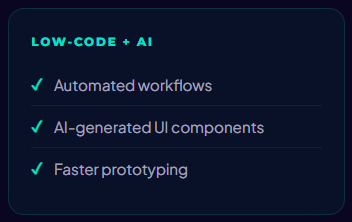
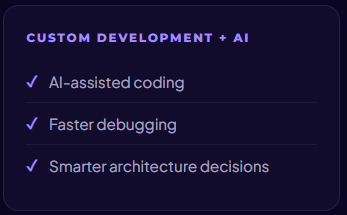
AI has blurred the lines between low-code and custom development.
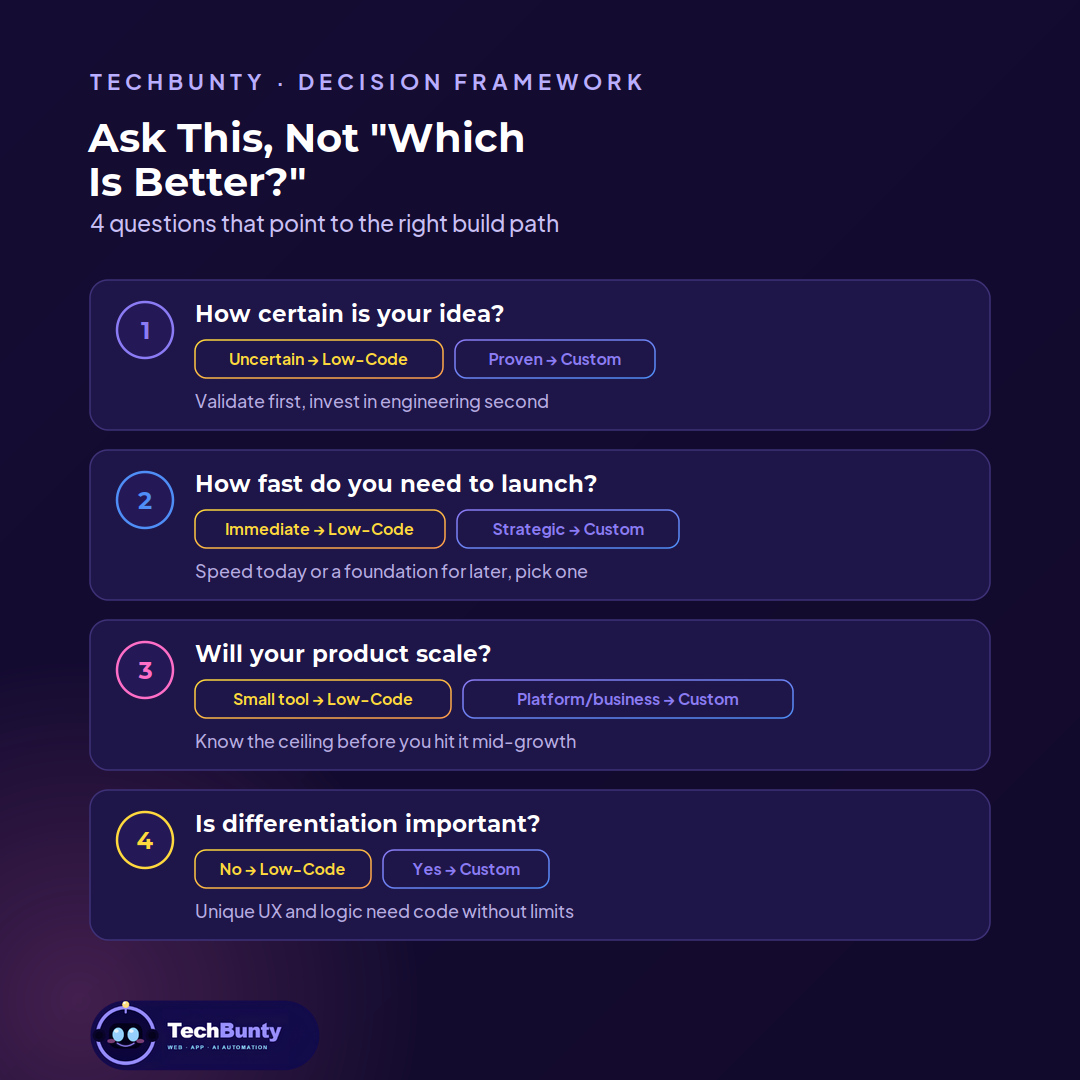
Decision Framework for Startups
Instead of asking “Which is better?”, ask:
The Honest Verdict
Low-code is not a shortcut to success, it’s a tool for speed. Custom development is not a luxury, it’s an investment in long-term growth.
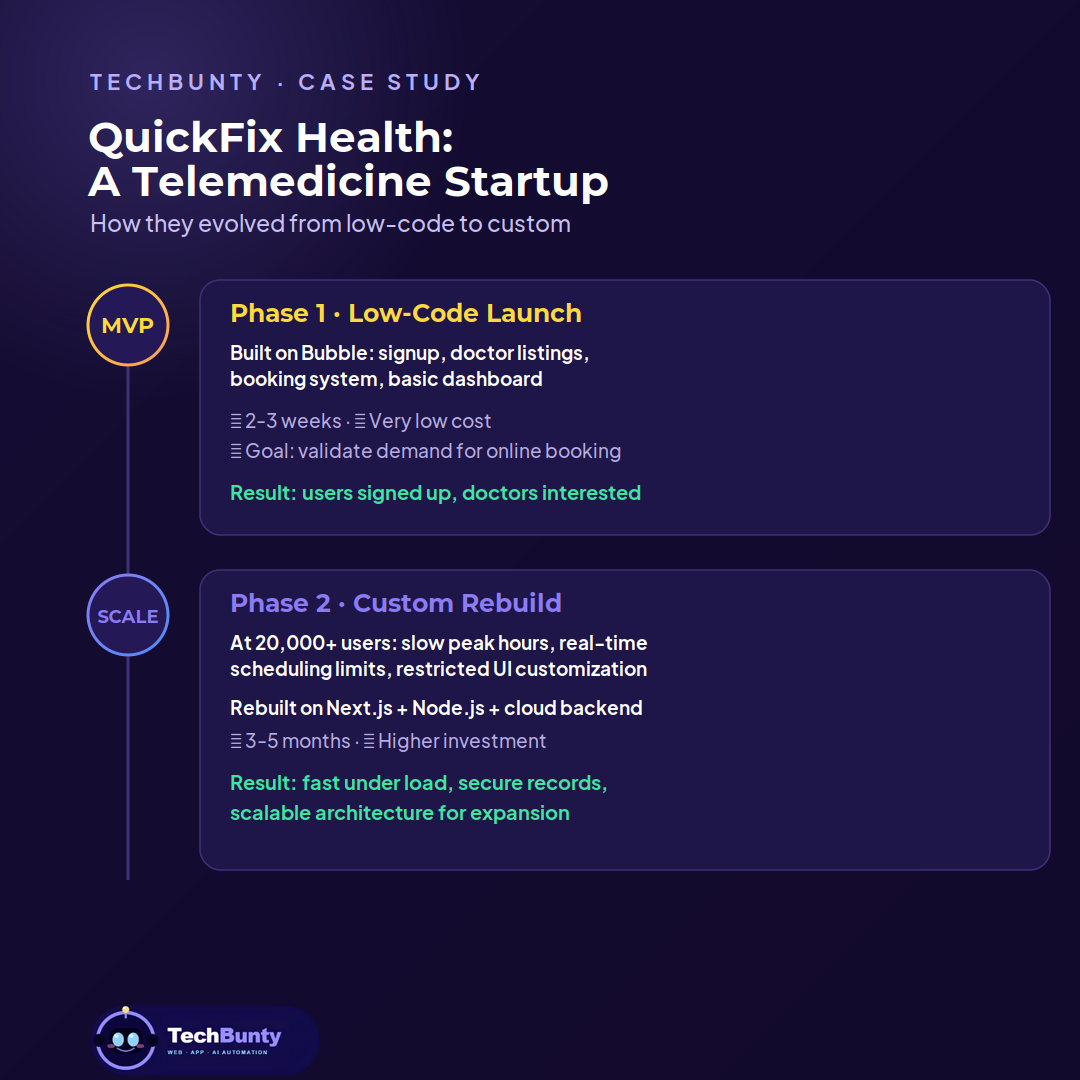
QuickFix Health: Low-Code to Custom 🚀
Imagine a startup called “QuickFix Health”, building a telemedicine appointment platform.
QuickFix Health: Low-Code to Custom 🚀
MVP Launch (Low-Code Approach)
The founder wants to test the idea quickly. They use a low-code tool like Bubble to build:
- Patient signup form
- Doctor listing page
- Simple appointment booking system
- Basic dashboard
Growth Stage (Custom Development)
After 20,000+ users, problems start appearing:
- App becomes slow on peak hours (especially on Google Chrome)
- Booking system can’t handle real-time scheduling properly
- Limited payment + medical record integration
- UI customization is restricted
So they rebuild using a custom stack (Next.js + Node.js + cloud backend).
⚖️ Final Insight
- Low-code helped them launch fast and test demand
- Custom development helped them scale and become a real business
- Smart startups don’t choose one — they evolve from low-code to custom as they grow.

4 Key Reports on Low-Code vs Custom in 2026
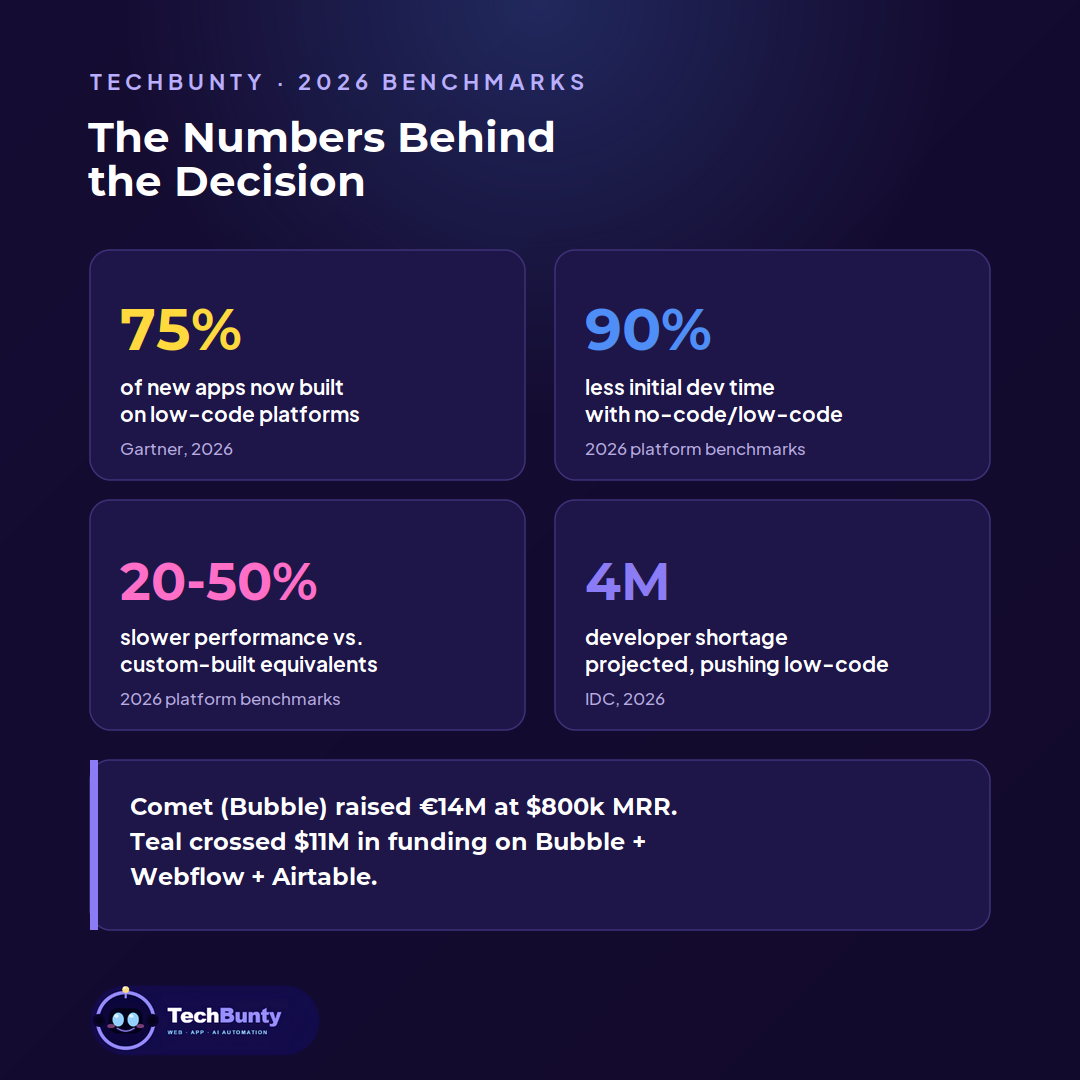
Here is the curated, latest 2026 news and analytical data to back up your guide. These recent insights highlight exactly how the landscape has shifted this year particularly regarding market growth, data benchmarks, and real-world execution.
1. The 2026 Market Standard: Low-Code is the "Default," Not a Fix
2. Hard Benchmarks: 90% Time Savings vs. 50% Speed Ceilings
3. Real-World Validation: Startups Raising Millions on No-Code
Startup Takeaway: Investors no longer scoff at low-code backends. If the product solves a real problem and generates revenue, the underlying code stack matters less than market traction.
4. The Rise of "Fusion Teams" and Vendor Lock-in Risks
Startup Takeaway: Don’t build blindly. Ensure your low-code platform allows for clean data structures or API extensions so your future custom-code migration path isn’t a total nightmare.
Key Takeaways
Choosing between low-code and custom development isn’t about what’s easier but it’s about what fits your growth. Low-code helps you launch fast, while custom development prepares you to scale. Reach out to us if we are looking for building an authority on your website here.
Build for Where You're Going
The biggest mistake startups make is building for today’s needs instead of tomorrow’s growth. Low-code can get you to launch but it may not get you to scale. Custom development can take longer but it builds the foundation for lasting success. In 2026, users expect seamless, fast, and intelligent experiences especially on dominant platforms like Google Chrome. Your technology choice directly impacts your ability to meet those expectations.
Table of Contents
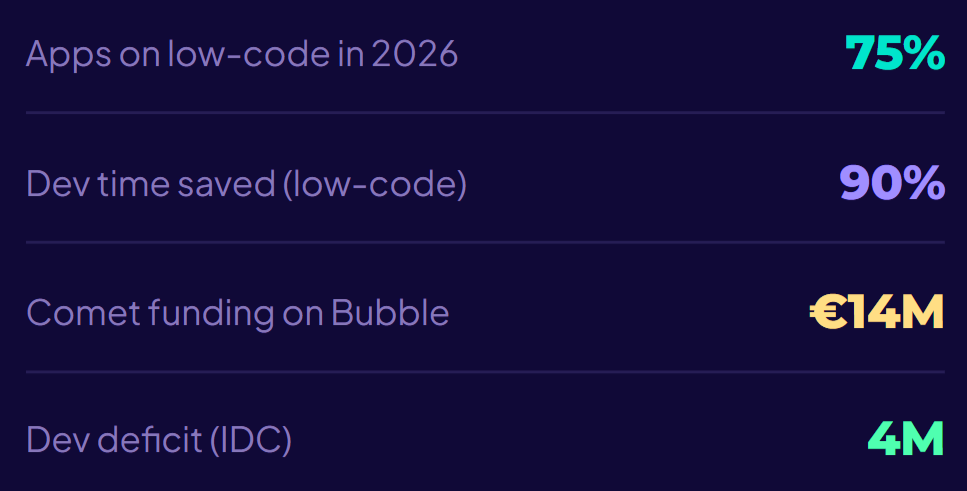
ToggleKey Stats
Build fast. Scale smarter.
At Tech Bunty, we help startups choose the right tech from day one. Let’s turn your idea into a future-ready product.
Latest Post
- All Posts
- AI
- AI Agents
- AI Automation
- Anthropic
- App Development
- Cybersecurity
- LLMs
- Physical Ai
- Web Development