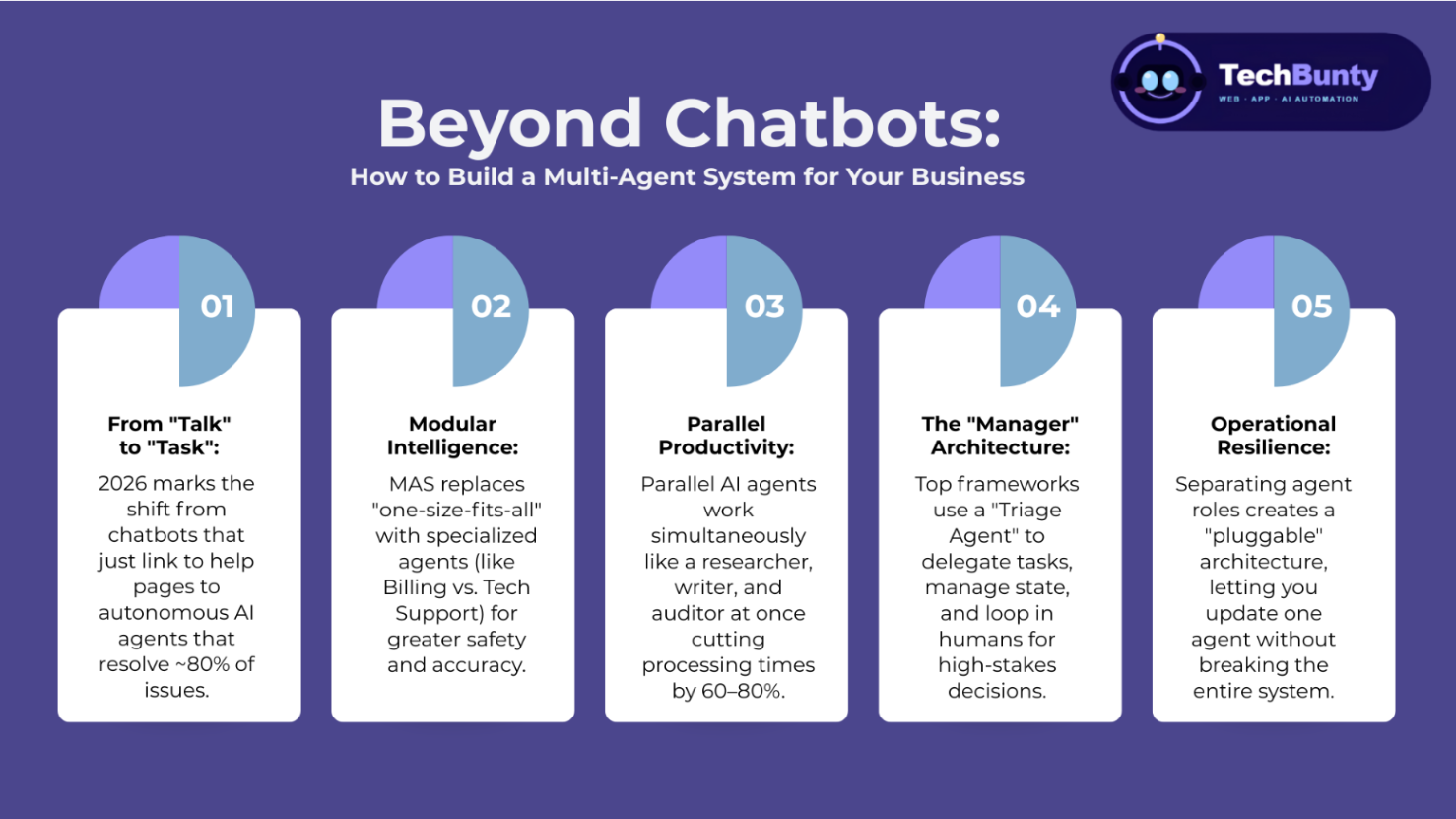
Beyond Chatbots: How to Build a Multi-Agent System for Your Business

For years, businesses relied on chatbots single AI systems designed to answer queries or automate simple workflows. But as operations became more complex, this model started to break down. A single AI agent often struggles with multi-step reasoning, domain specialization, and real-time coordination.

That’s where multi-agent systems (MAS) come in.

Category
AI Agents
Coverage
2025 – 2026
Published by
Bunty
Introduction

The Shift from Chatbots to Agentic Systems

For years, businesses relied on chatbots single AI systems designed to answer queries or automate simple workflows. But as operations became more complex, this model started to break down. A single AI agent often struggles with multi-step reasoning, domain specialization, and real-time coordination.

That’s where multi-agent systems (MAS) come in.

A multi-agent system is a network of autonomous AI agents that collaborate within a shared environment to achieve goals that would be difficult for a single system to handle alone.

Instead of one “smart assistant,” you build a team of specialized digital workers each responsible for a specific role, just like in a real organization.

1. Definition

What Is a Multi-Agent System (MAS)?

A multi-agent system consists of multiple autonomous agents (each with a role), a shared environment or data layer, communication mechanisms between agents, and a coordination strategy to manage tasks and outcomes.

Each agent has its own capabilities, knowledge, and goals, but they work together toward a broader objective.

Simple Analogy

Think of it like a company team:

Research Team

Gathers data from sources
 

Analyst 

Processes and finds insights
 

Writer

Creates the output content
 

Reviewer

Checks quality and accuracy
 

That’s exactly how a multi-agent AI system works distributed intelligence instead of centralized logic.

2. The Case for MAS

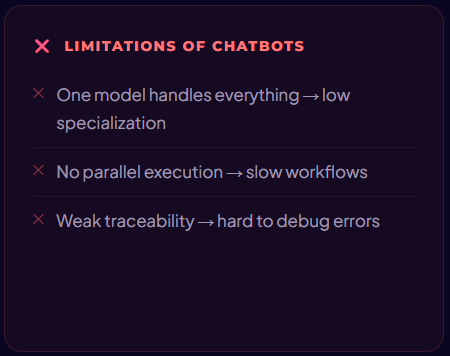
Why Businesses Are Moving Beyond Chatbots
Beyond Chatbots: How to Build a Multi-Agent System for Your Business

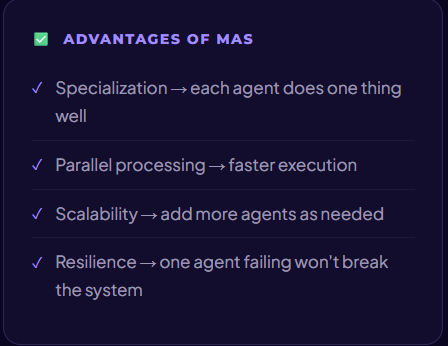
Multi-agent architectures are especially useful for complex workflows, dynamic environments, and scalable operations.
3. Core Architecture

Core Architecture of a Multi-Agent System

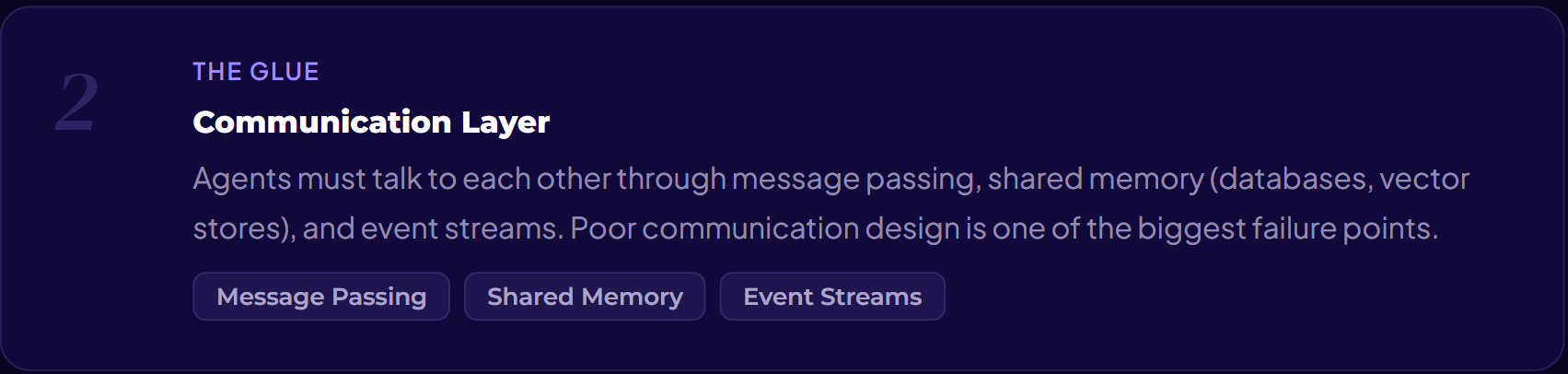
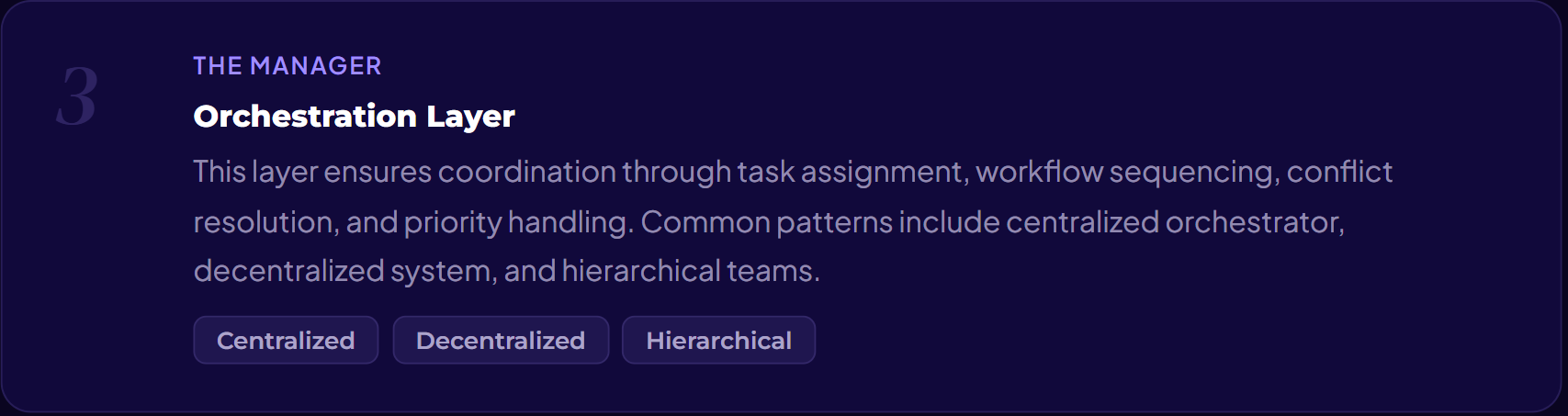
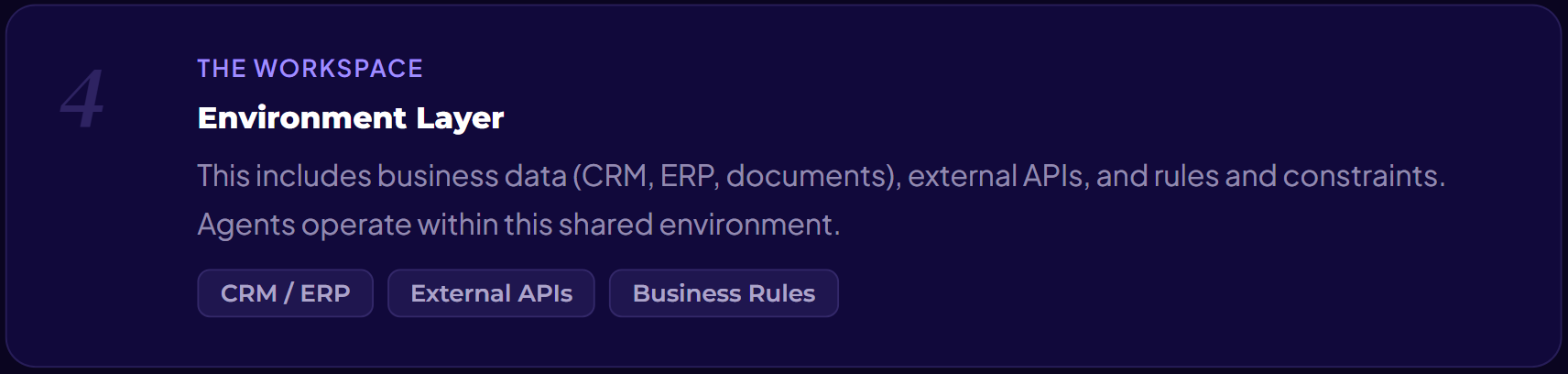
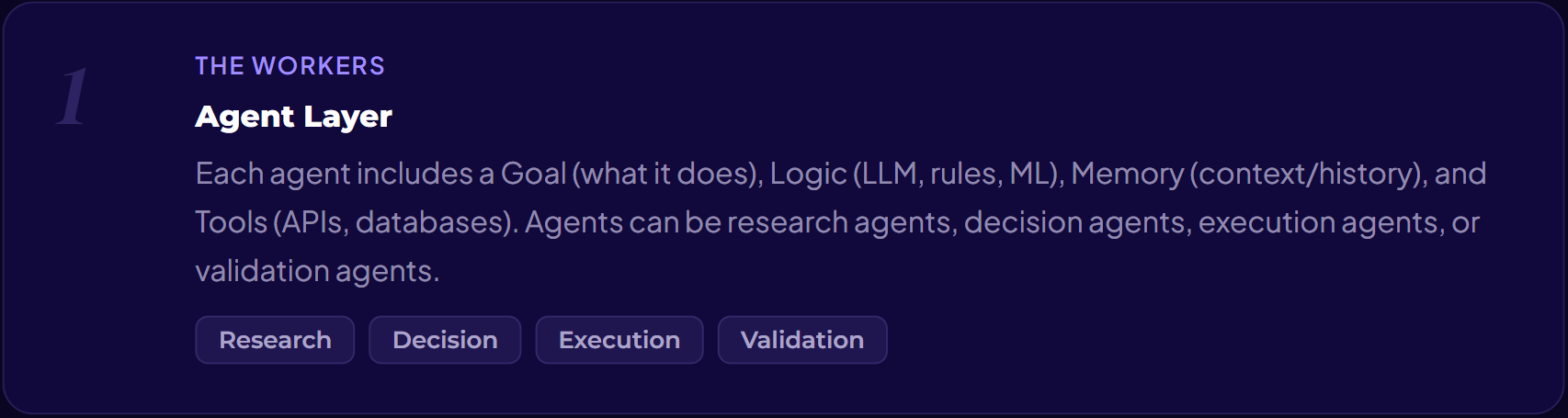
To build a production-ready MAS, you need four key layers:
 
Beyond Chatbots: How to Build a Multi-Agent System for Your Business
4. Step-by-Step

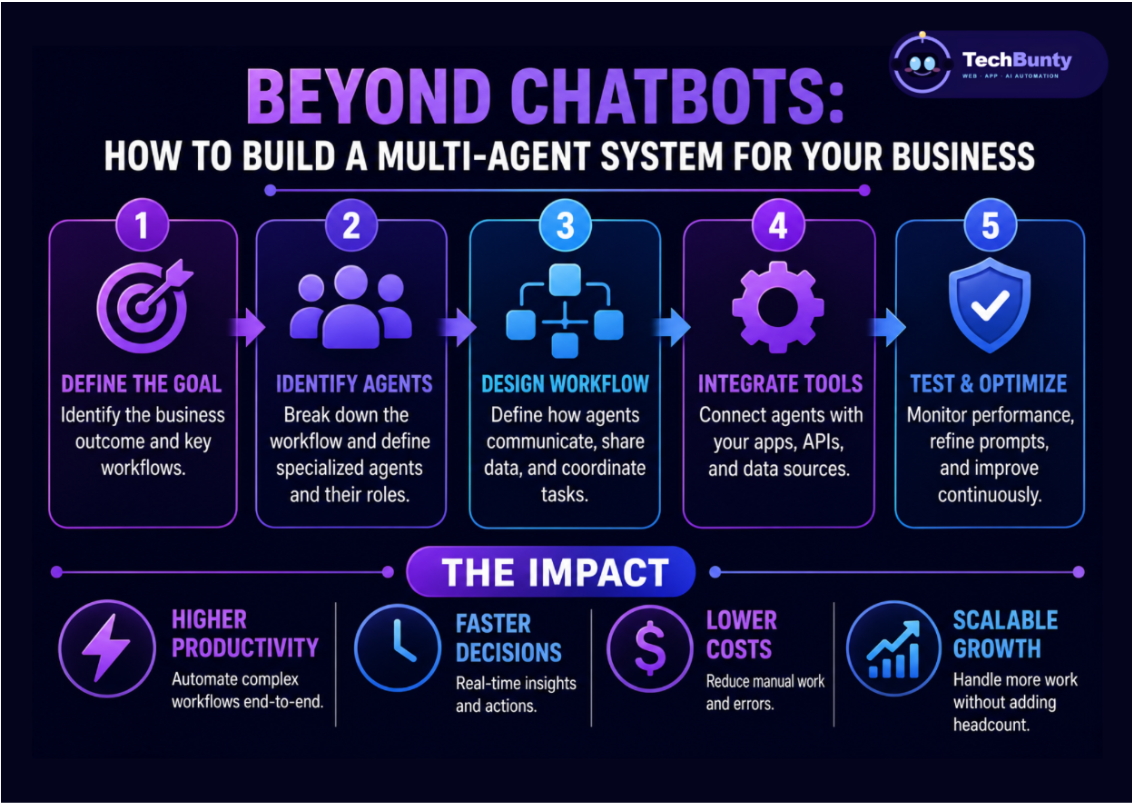
How to Build a Multi-Agent System

1

Break Down the Business Problem

Start with a complex workflow, not a simple task. Example: “Generate a competitive market report” breaks into: Data collection → Data analysis → Insight generation → Report writing → Quality review.

2

Define Agent Roles

Assign each task to a specialized agent. This decomposition is critical, multi-agent systems work best when problems are modular and decomposable.
Task Agent
Data gathering
Research Agent
Processing
Analyst Agent
Writing
Content Agent
Validation
QA Agent

3

Design the Workflow

Decide how agents interact. Common patterns:

Pipeline (Sequential)

A → B → C in order
 

Parallel

Multiple agents work simultaneously
 

Hierarchical

Manager assigns tasks to specialists
 

Swarm

Agents collaborate dynamically
 

4

Build Communication Protocols

Define input/output formats, data schemas, and message structure. Example: Agent 1 Output → JSON, Agent 2 Input → JSON. Consistency prevents system breakdown.

5

Add Memory & Context

Types of memory: Short-term (current task), Long-term (historical data), Shared memory (accessible to all agents). This enables continuity and learning.

6

Implement Orchestration

Use rule-based orchestration, AI orchestrator agent, or workflow engines. The orchestrator ensures correct sequencing, error handling, and retry logic.

7

Integrate Tools & Systems

Connect agents to CRM systems, databases, APIs, and internal tools. Modern MAS often rely on standardized protocols to access tools and enable agent-to-agent communication.

8

Add Human-in-the-Loop (Critical)

Do NOT fully automate at first. Add human checkpoints for high-risk decisions, compliance, and quality control.
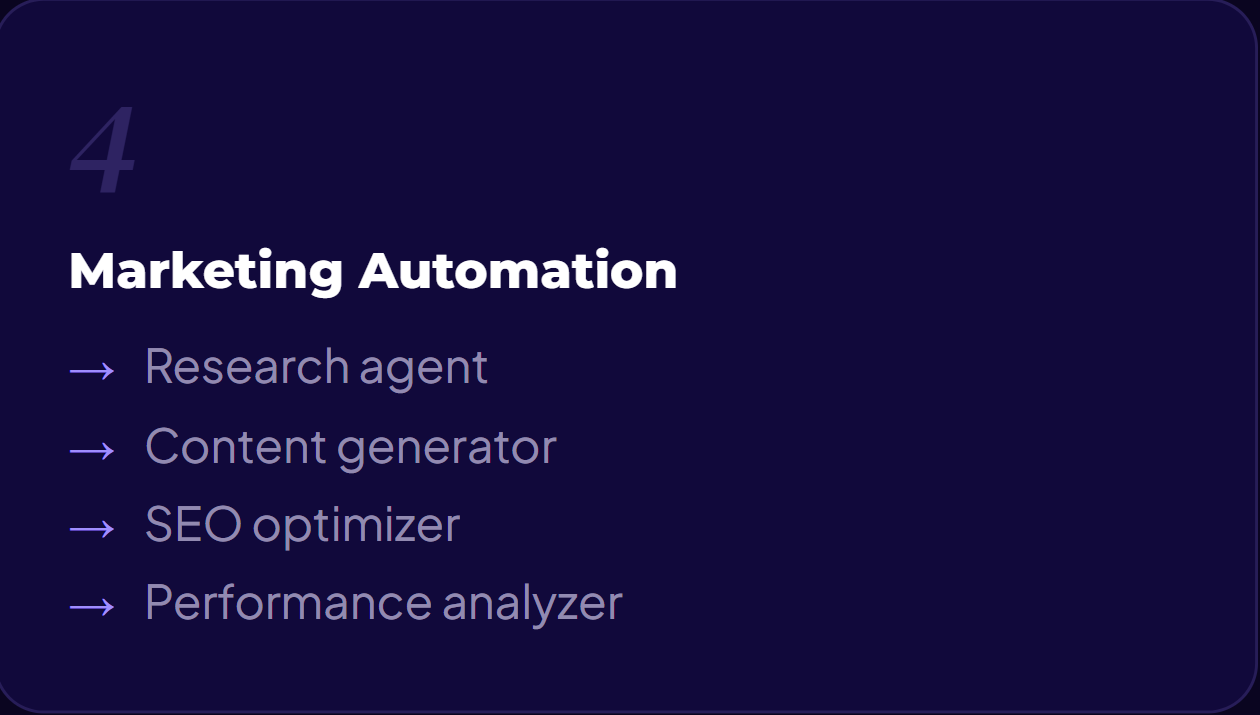
5. Real Business Use Cases

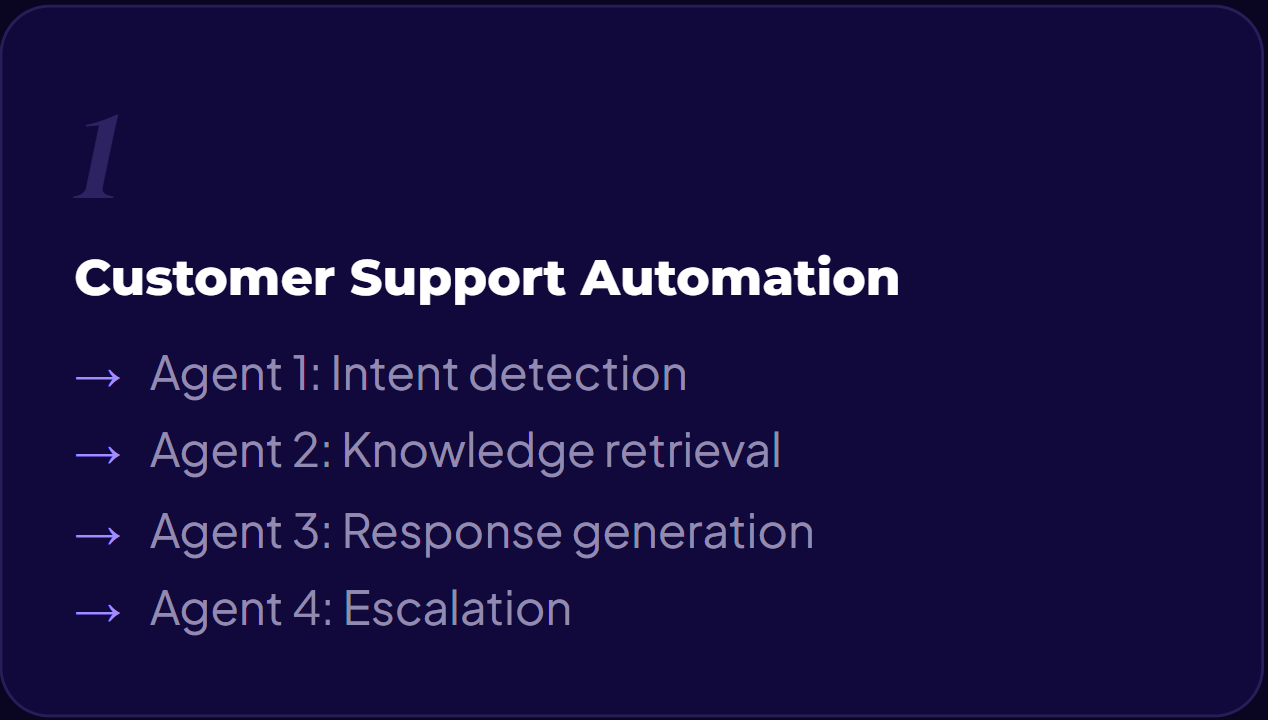
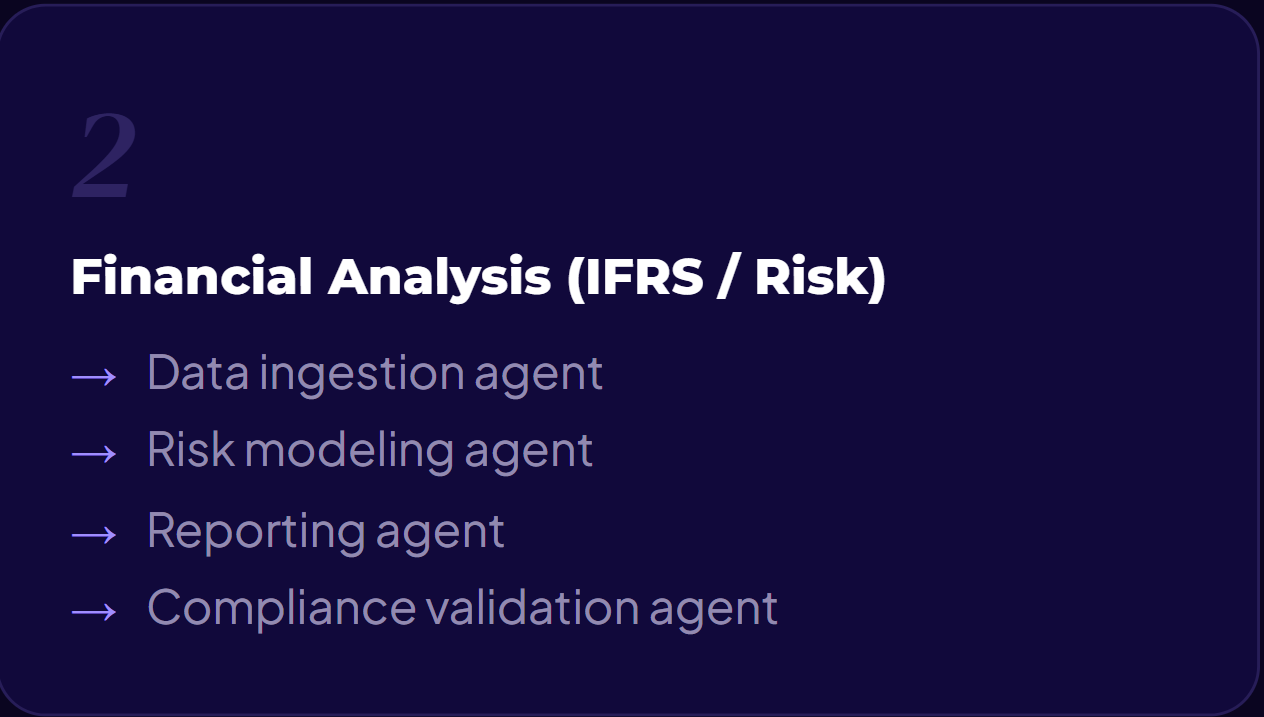
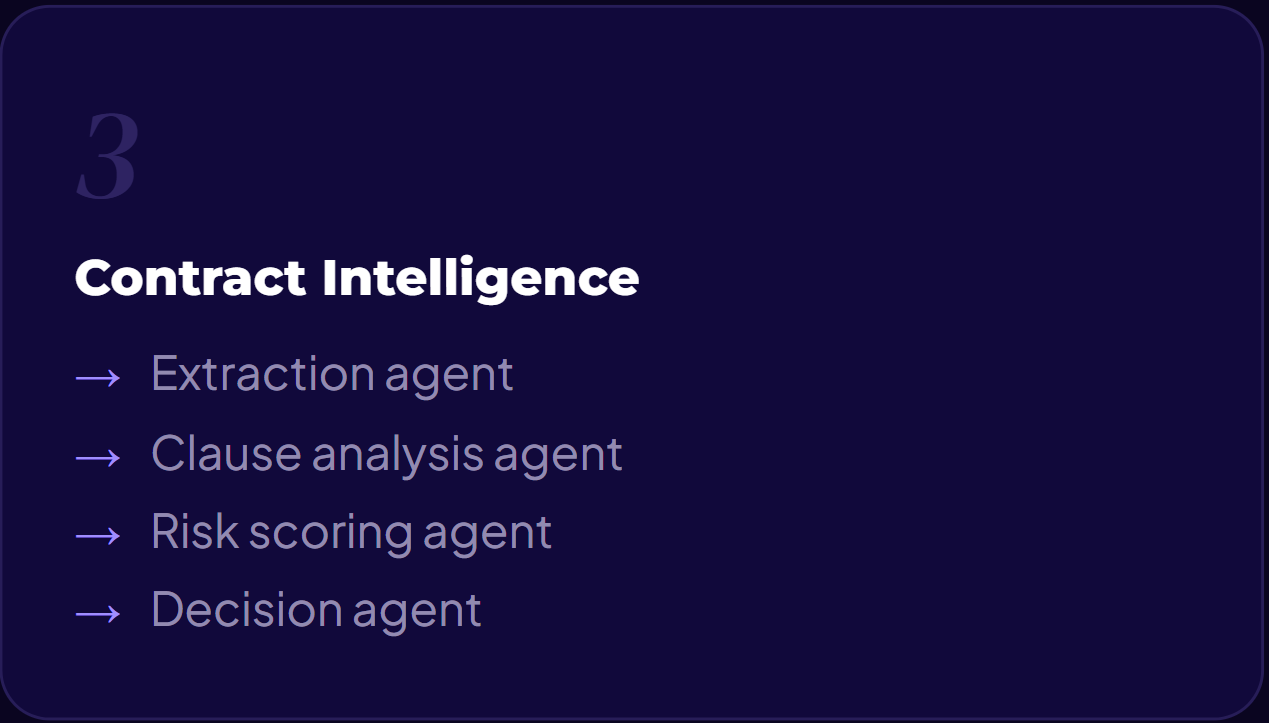
Real Business Use Cases

Beyond Chatbots: How to Build a Multi-Agent System for Your Business
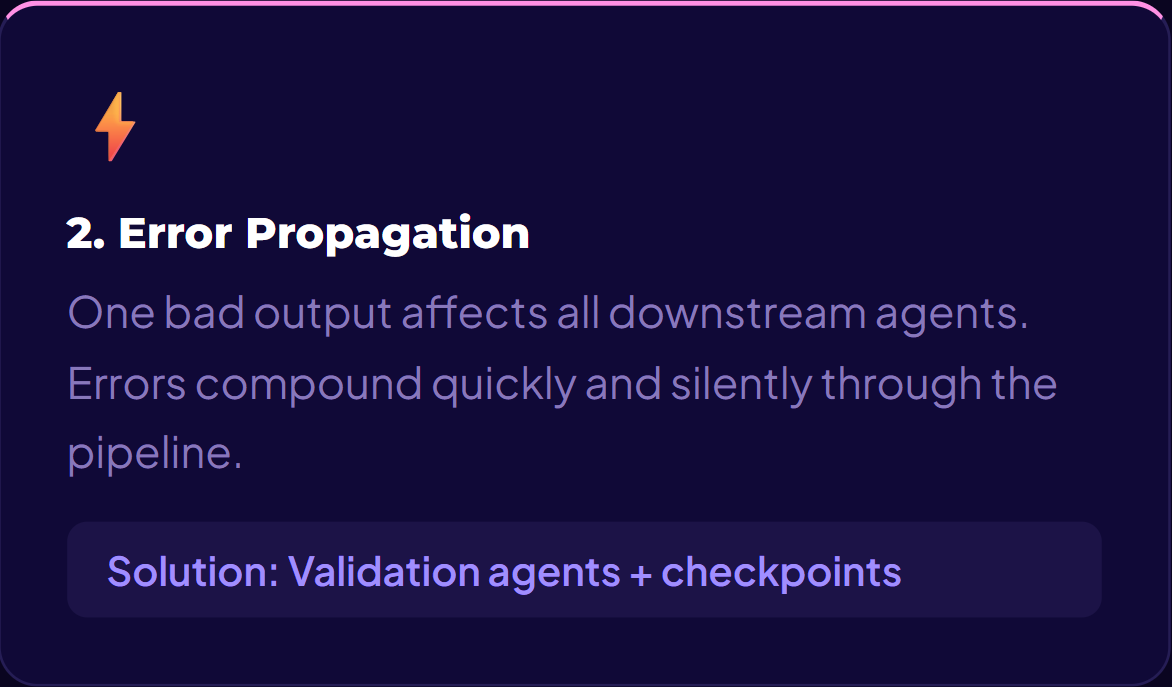
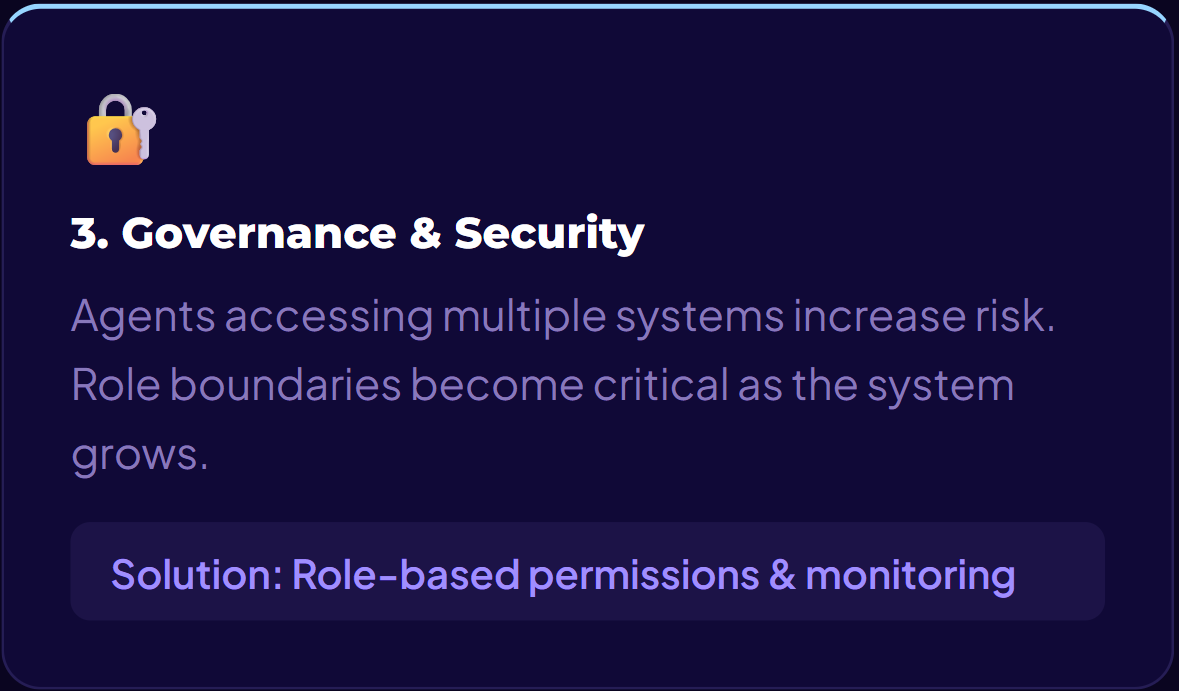
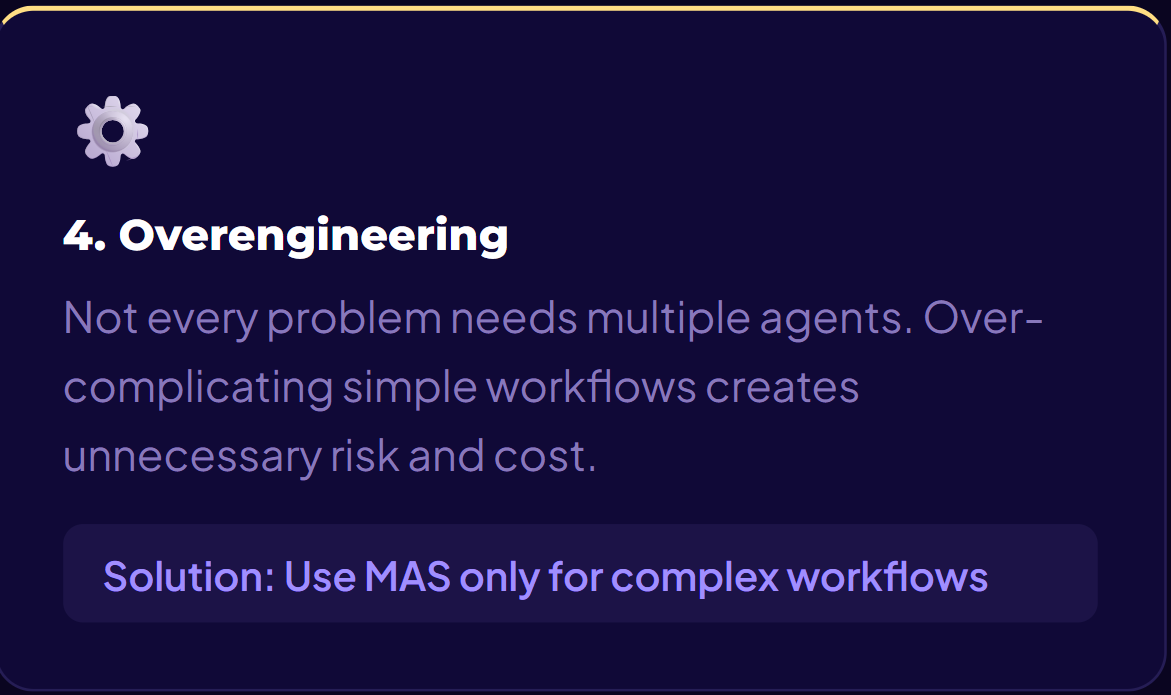
6. Key Challenges

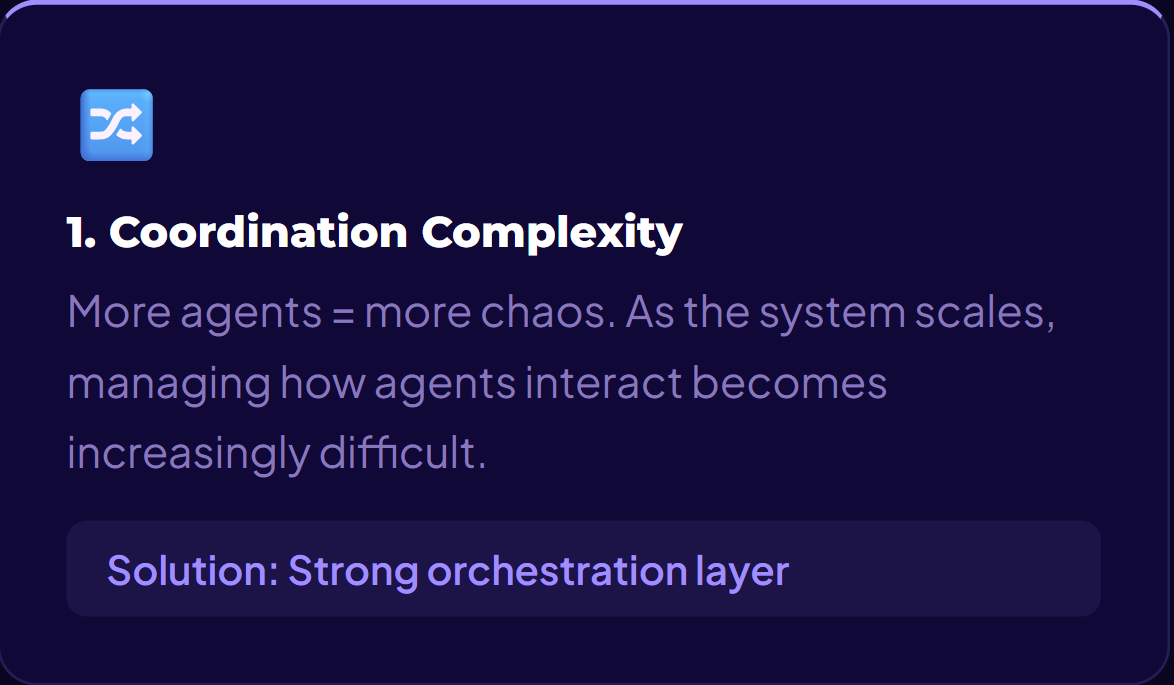
Key Challenges (And How to Solve Them)
Beyond Chatbots: How to Build a Multi-Agent System for Your Business
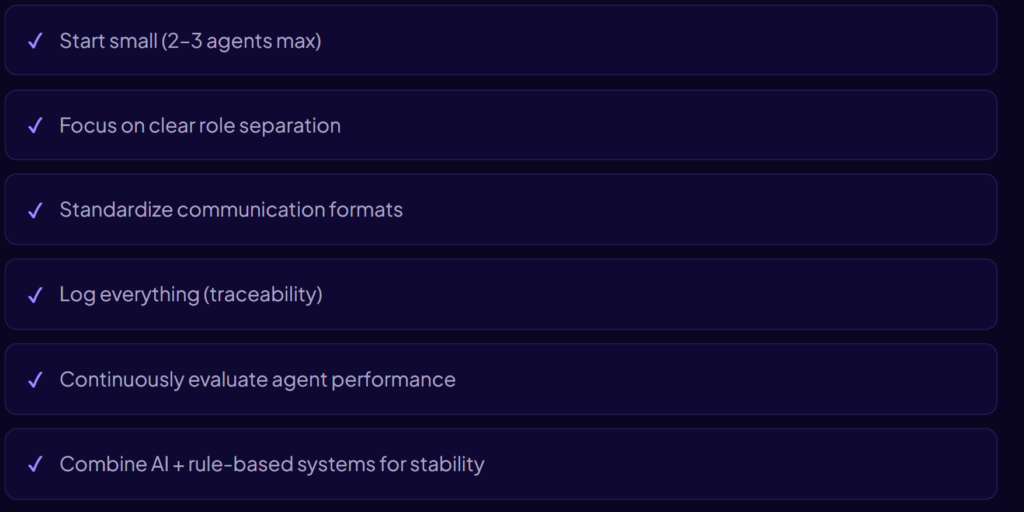
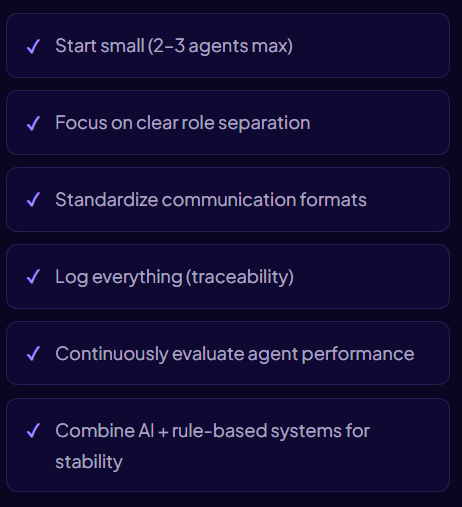
7. Best Practices

Best Practices for Success

Beyond Chatbots: How to Build a Multi-Agent System for Your Business
8. The Future

From Tools to Autonomous Teams

Multi-agent systems are not just a technical upgrade, they represent a shift in how businesses operate.

 
Beyond Chatbots: How to Build a Multi-Agent System for Your Business

These systems can plan workflows, delegate tasks, adapt in real time, and continuously improve. And as enterprises scale AI adoption, multi-agent architectures are becoming the default model for complex automation.

Latest News · 2026

5 Reports on the MAS Revolution

Transitioning from simple chatbots to multi-agent systems (MAS) is a primary focus for enterprise AI in 2026. These systems move beyond text generation to autonomous task execution by coordinating specialized “worker” agents.


1. The 2026 Shift: AI as a Workflow Participant

A report from Cabot Solutions highlights that in 2026, the industry is moving away from “asking a chatbot” toward building systems that plan and coordinate across tools. It emphasizes “Multi-Agent Orchestration” where specialized agents (Planners, Workers, and Reviewers) mirror human project teams to reduce errors and ensure a “clean handoff” between tasks.
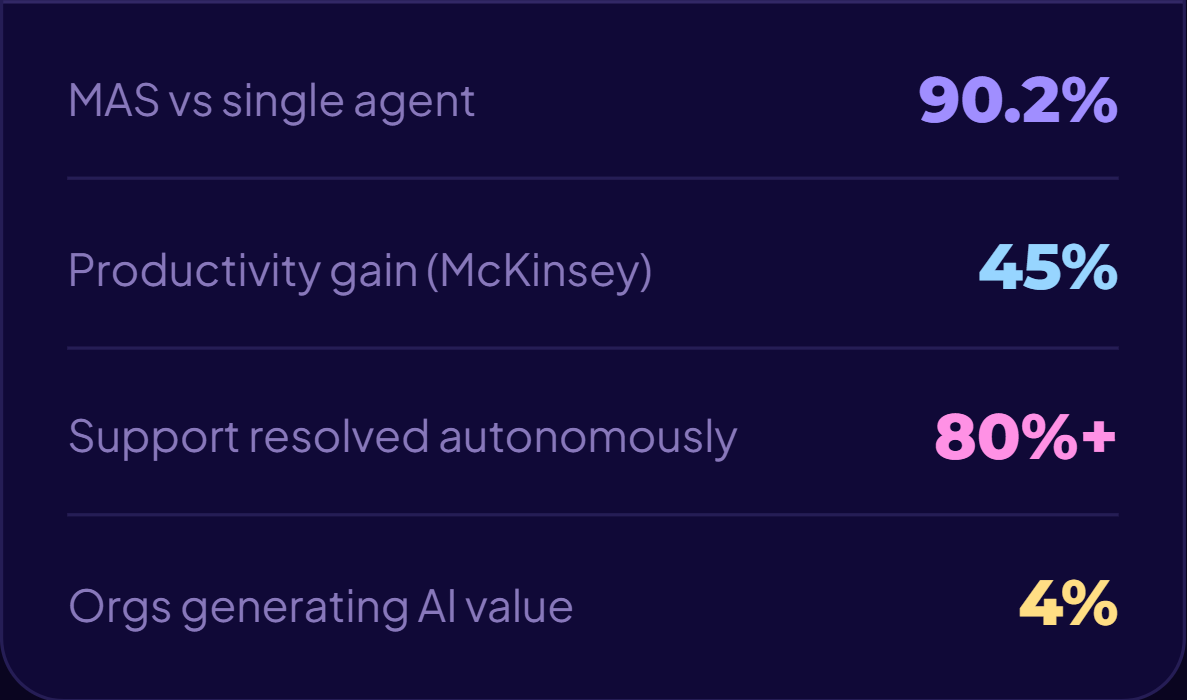
 Multi-agent systems are reported to be 90.2% more effective for complex tasks compared to single-agent setups.

2. Architecting Domain-Specific Generative AI

InfoQ explores the transition from general-purpose LLMs to domain-specific systems that understand operational constraints like business rules and regulatory policies. This “Architecting” phase is critical for moving beyond Proof of Concepts (PoCs), as currently only 4% of organizations are generating consistent cutting-edge value from their AI implementations.
 The focus is shifting to “Offline Training Architecture” for learning historical business sequences and “Online Sampling” for real-time decision-making.

3. Redefining Enterprise Workflow via Agentic AI

Agile Insights discusses how Agentic AI combines reasoning, memory, and action. For businesses, this means moving from “narrow automation” to “cognitive collaboration.” The article outlines four architectural layers (Perception, Reasoning, Action, and Memory) required to build a reliable multi-agent system.
 McKinsey 2024 data shows productivity gains of up to 45% when AI agents are integrated with clear human review boundaries.

4. Next-Gen Use Cases in Customer Support

An analysis by Composio provides a practical roadmap for 2026, showing how multi-agent systems can resolve over 80% of support interactions autonomously. It details a specific “Automated Root Cause Analysis” workflow where agents concurrently query Datadog, GitHub, and LaunchDarkly to identify and fix system errors without human intervention.
 MAS allows for “Parallel Investigation,” where different agents check infrastructure and code repositories simultaneously.

5. Multi-Agent Systems in 2025: Insights and Frameworks

IONI AI provides a 2025 guide on the core components needed to build these systems, such as communication protocols and coordination mechanisms. It outlines industry-specific applications, from healthcare (treatment planning) to legal (compliance regulatory checks via document processing).
 The guide highlights the “Human-in-the-loop” requirement for critical scenarios to ensure autonomous operations remain verifiable.
User Case

An E-commerce SaaS Company: Automated Customer Success

To understand how a multi-agent system (MAS) works in a business context, it is helpful to move away from the idea of a single “all-knowing” chatbot and instead think of a digital department where specialized agents collaborate.

A practical, high-impact example of this is an Automated Customer Success & Sales System. Imagine a business that sells a complex Subscription-as-a-Service (SaaS) product.

The Architecture: 4 Specialized Agents

Entry Point
The Triage Agent (Manager)
Analyzes customer sentiment and intent. Doesn’t answer the question, decides which specialist is best suited for the task.
 
Technical Dept
Technical Support Agent
Has access to technical documentation and GitHub repository. Can provide code snippets and troubleshooting steps.
Finance Dept
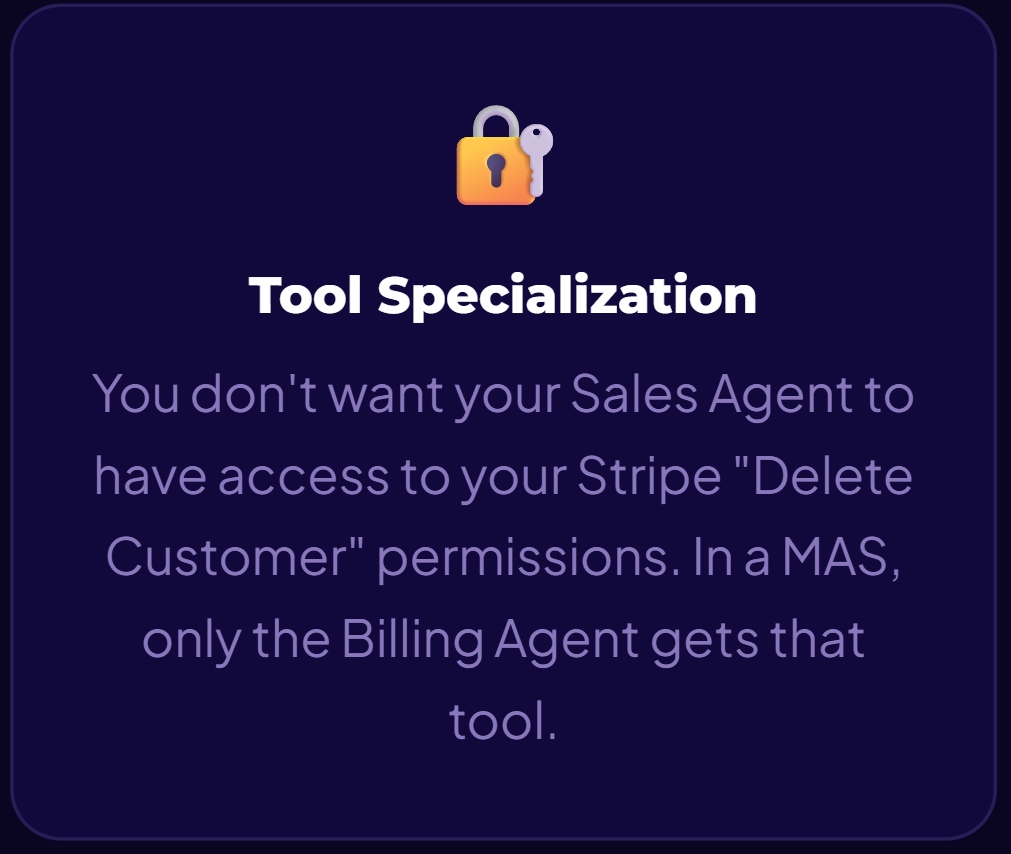
Billing & Account Agent
Has secure access to Stripe API or internal database. Can check subscriptions, process refunds, or update payment info.
 
Growth Dept
Sales & Lead Gen Agent
Trained on marketing case studies. Identifies upsell opportunities or schedules demos with human sales reps.
 

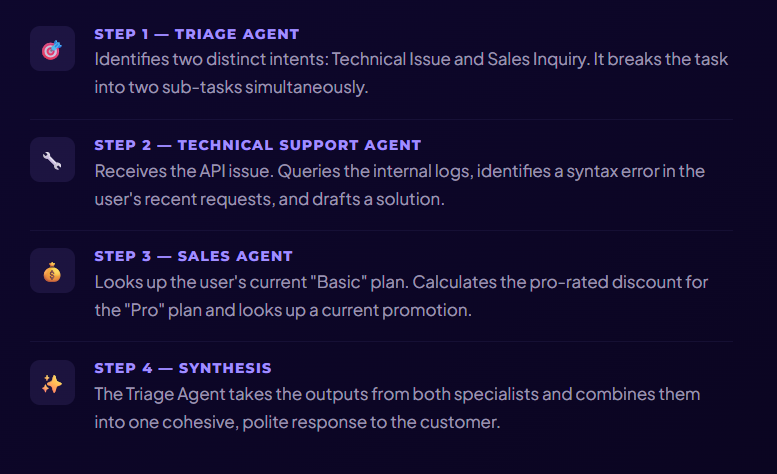
A Practical Workflow Example

Customer Message: “I’m frustrated because my API key isn’t working, and I also want to know if I get a discount if I upgrade from the Basic to the Pro plan next month.”
Beyond Chatbots: How to Build a Multi-Agent System for Your Business

Why this is “Beyond Chatbots”

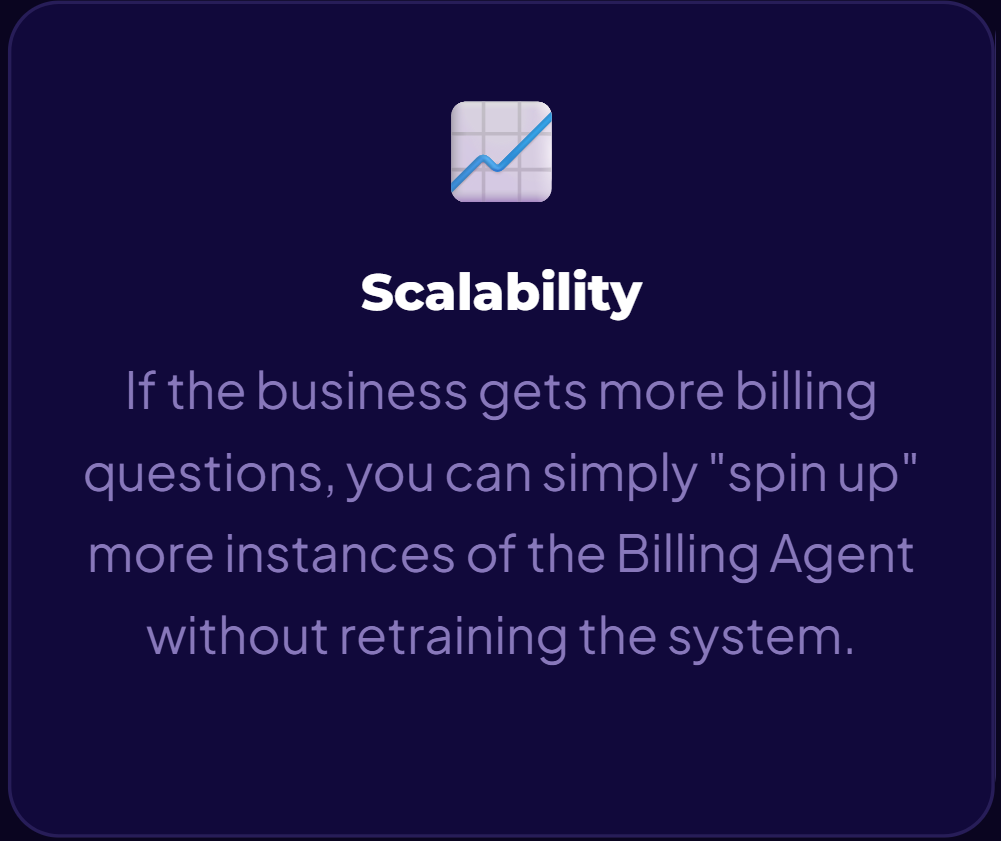
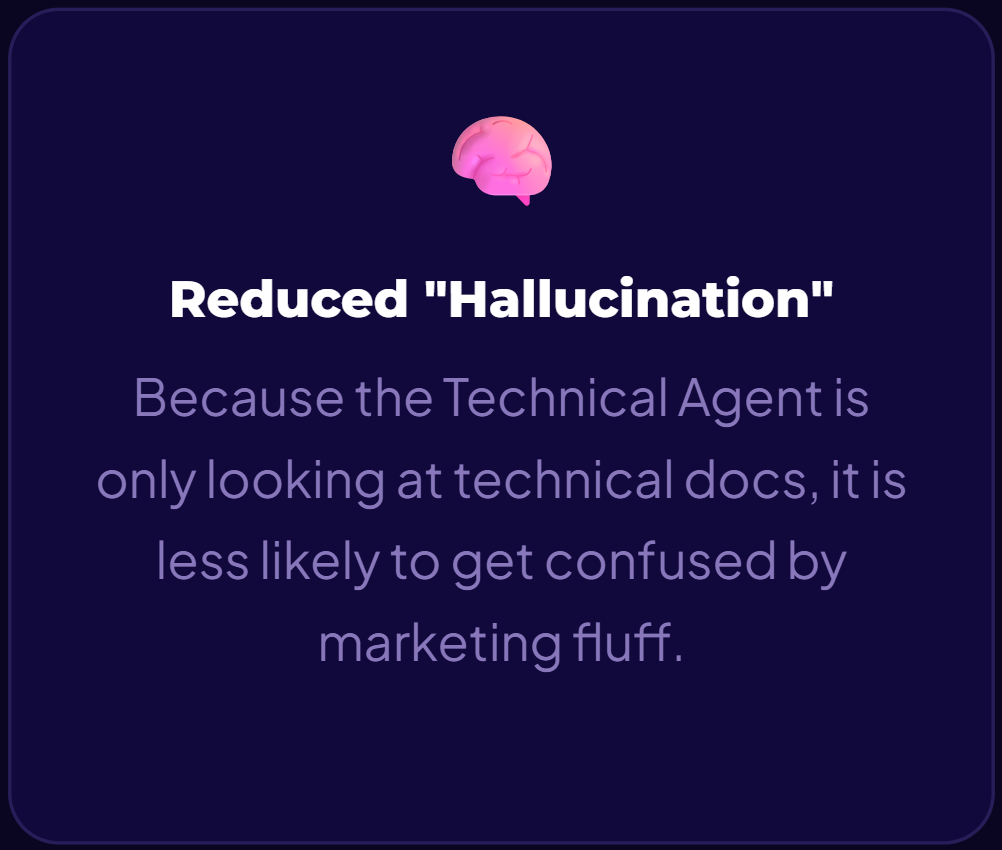
A standard chatbot would likely struggle with this two-part query. The Multi-Agent approach offers three distinct business advantages:
How to Build It (The Tech Stack)

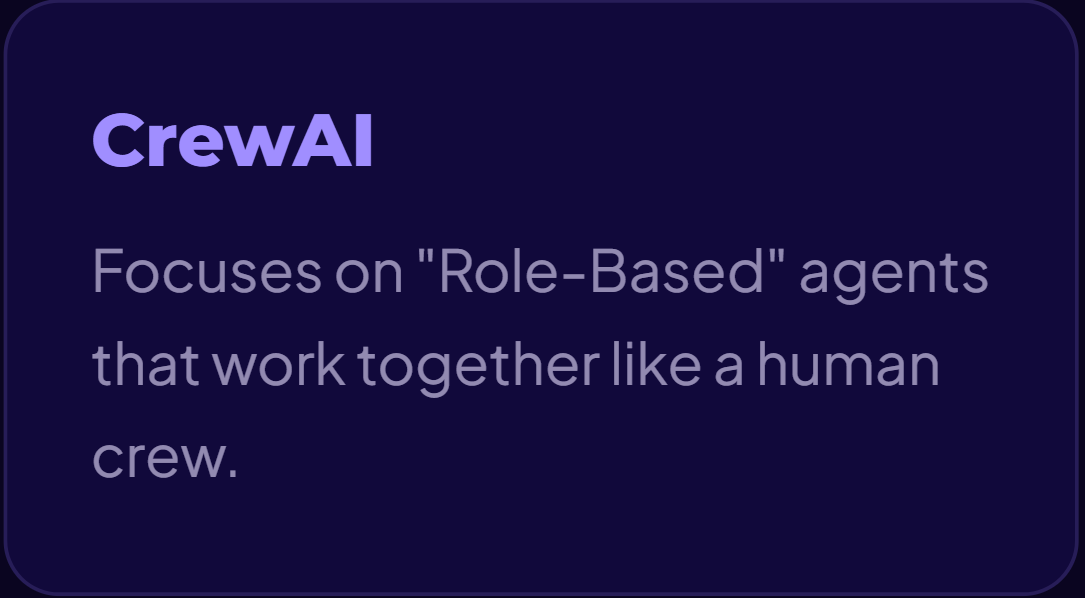
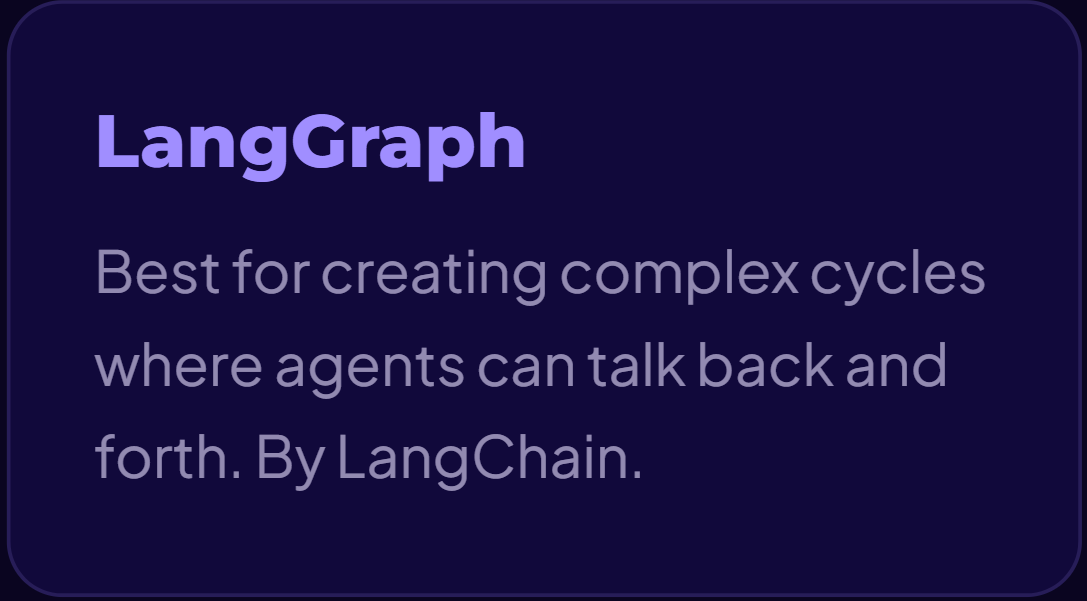
To build this practically, businesses typically use frameworks designed for agentic workflows:
By implementing this, a business moves from a “FAQ responder” to an autonomous digital workforce that can actually execute tasks across different departments.
Conclusion

The Real Power of AI is in Many Agents Working Together

Chatbots were the first step. Multi-agent systems are the next evolution. If you want to build a future-ready business, think in systems, not prompts. Design roles, not just models. Focus on coordination, not just intelligence. Because the real power of AI isn’t in one smart agent, it’s in many agents working together intelligently.

  •  
Beyond Chatbots: How to Build a Multi-Agent System for Your Business
  • Think in systems, not prompts – design your AI like an organization.
  • Design roles, not just models – specialization drives reliability.
  • Focus on coordination, not just intelligence – teamwork beats solo brilliance.
  • Don’t let outdated automation hold your business back.
  • Don’t let outdated automation hold your business back.
     

Closing your Advice

Before jumping into multi-agent systems, focus on clarity over complexity. Start with a real business problem, design clear agent roles, and build gradually. The biggest mistake isn’t underusing AI, it’s overengineering it without purpose. Build what you can manage, then scale what proves valueLorem ipsum dolor sit amet, consectetur adipiscing elit. Ut elit tellus, luctus nec ullamcorper mattis, pulvinar dapibus leo.

Scroll to Top